

Translate:

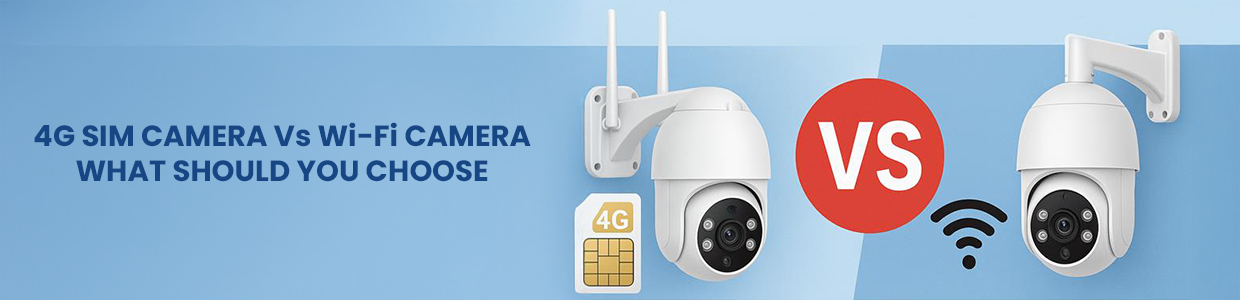
4G SIM Camera Vs Wi-Fi Camera: What Should You Choose
With technological advancement in security and surveillance solutions, famous brands like CP Plus, Hikvision, Honeywell, and many more have introduced a much more convenient option: 4G SIM cameras. But what is so special about them? These security cameras can record and transmit live footage to the users connected devices without Wi-Fi or ethernet connectivity. However, the real question is whether you should select a 4G SIM camera or a traditional Wi-Fi camera. Let us explore this topic in detail for a better understanding.
Understand the Working of Both Technologies
4G SIM Cameras and Their Functioning
A SIM camera or 4G camera is a CCTV security device that can record and show the live feed without depending on Wi-Fi or ethernet connection. These cameras have a SIM card slot to use cellular connectivity for sending real-time footage. Some of these models are available with a prepaid SIM card embedded, and for other models, a user can insert their own SIM card. Best for remote locations where wi-fi or wired connection is available such as rural areas, farms, construction sites, etc.
Wi-Fi Cameras and Their Functioning
Wi-Fi camera options are much more reliable than any other option when you have strong internet connectivity. These cameras are also used remotely, but they need wi-fi coverage to transmit video and audio to the connected devices. They lack the ability to use cellular connectivity to let the user monitor their place from anywhere in the world. Whereas, on other functionalities, they are on par with 4G cameras including ease of installation, advanced features, and cost-effectiveness.
Advantages and Disadvantages of Wi-Fi Cameras and 4G SIM Cameras
Advantages of SIM Cameras:
No Dependency on Wi-Fi or Wired Connection
SIM cameras either come with prepaid SIMs, or a user can use their own. These cameras can connect through cellular connectivity, which offers enhanced coverage throughout the country. It means these cameras will be active and allow you to monitor your property even in the remotest parts of the world. You will require no Wi-Fi or wired connection to use these cameras for surveillance. Practically, you can use SIM cameras in mountain regions, farms, construction sites, or any other property away from cities.
Portability
Another major advantage of using 4G cameras is their portability. Because of their compact size, you can easily install and move these cameras to different locations. Moreover, a SIM camera is your best choice for temporary surveillance instead of installing the complete setup of traditional cameras, which will use extra resources, labor, and other expenses.
Cost Effective
Over the traditional CCTV camera setup, a portable 4G camera is much more cost-effective, as it eliminates the need to use extensive wiring through the property, professional setup costs, and spending on various other resources. Moreover, in terms of maintenance and operational cost, a SIM camera only requires a new SIM card and data plan.
No Power Supply Needed
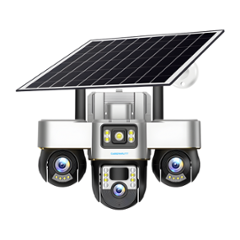
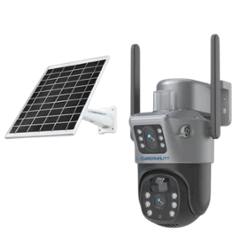
SIM cameras are not dependent on external power supply to monitor your premises. These devices have solar panels, rechargeable batteries, or both energy options to operate remotely. Hence, with superb connectivity, they even help you save money on energy bills.
Disadvantages of 4G SIM Cameras:
Higher Data Cost
SIM cameras use a significant amount of data for transmitting video and audio feeds remotely. The data usage can even exceed your expectations if you want to stream in high resolution. For long-term use, operating a SIM card surveillance system can cost you a hefty amount.
Limited Bandwidth
Generally, devices operating on cellular connectivity have low uploading speed which can force cameras to transmit images of low quality. Moreover, you can also witness delays while monitoring the footage in real time.
Advantages of Wi-Fi Security Cameras:
Stable Data Connection
Remote surveillance becomes highly reliable with Wi-Fi cameras as they support high speed network connection. Hence, the users can continuously stream the video and audio feed without delay.
Higher Bandwidth
Wi-Fi offers high upload and download speed, which allows users to monitor their property in high definition. And with 4k streaming, you can checkout each and every detail of your property and take action instantly if you suspect anything wrong.
No Data Expense
A single Wi-Fi plan can cover the data requirements of multiple devices at home with unlimited connection. Where 4G cameras require a separate SIM card and an expensive data plan, the Wi-Fi cameras operate on the existing data connection. Users will just have to connect with their Wi-Fi at home or office.
Supports Cloud Storage
High end Wi-Fi cameras can record and save footage on both local memory storage like SD cards and cloud storage. You will just give access to the device so that it can save your recordings securely in real time.
Disadvantages of Wi-Fi Cameras:
Limited Range
As these cameras rely on Wi-Fi connection, it cannot be used in multiple locations and has to be present within the connection range, varying between 30 and 100 meters.
Needs Power Supply
Wi-Fi cameras depend on an external power supply to be operative, unlike the 4G cameras that have rechargeable batteries. In addition, in case of a power outage or router problem, you will not be able to monitor your property.
What is the Better Choice: 4G SIM Cameras or Wi-Fi Cameras?
Well, the best choice depends on your specific needs and security requirements. Based on the benefits and drawbacks of each option, we can say that:
>> If you are in need of a security camera for remote locations where power and energy options are not feasible, then a 4G/5G SIM camera is an ideal choice.
>> If you have a stable Wi-Fi connection at home and a non-disruptive energy solution (like an inverter connection), then a Wi-Fi camera is the best option.

Top Sellers


New Arrivals

Manomay 3MP 4G Smart Wi-Fi SIM Camera with Smart Auto Tracking & Two Way Audio, M1094S


 +91 9999049135

