

Translate:

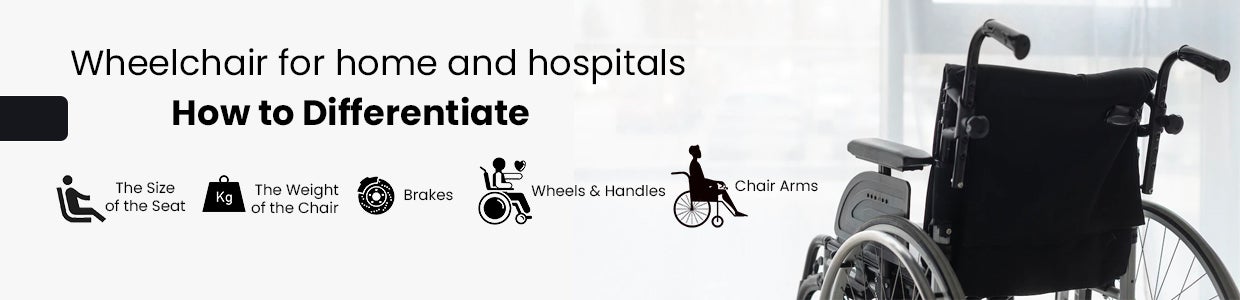
Wheelchair for Home and Hospitals: How to Differentiate?
Hospital wheelchairs are designed specially keeping the special requirements of the disabled and sick people. These wheelchairs feature an advanced breaking system, lightweight as well as chair arms for carrying patients from one place to another in hospitals. Home wheelchairs, on the other hand, are designed to keep up with individual requirements using advanced technologies. These wheelchairs feature durability and portability for disabled or sick people at home.
Wheelchairs, such as homes and hospitals, can also be differentiated based on needs. There are various types of wheelchairs to choose and identifying your needs can be difficult. However, these wheelchairs are not created equal. It is evident that nowadays, many opt for care at home, whereas others opt for hospitals. This also means that wheelchairs must be mobile. However, hospital wheelchairs greatly support those who require extra care for movement.
What are Hospitals and Manual Wheelchairs?
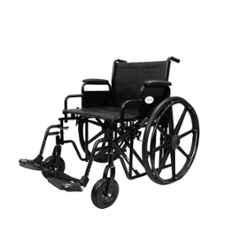
Hospital wheelchairs or transport chairs are designed to be more durable than home or regular wheelchairs. These wheelchairs are highly recommended for industrial use as they have strong frames and the capacity to hold more weight. Further, these can also recline back, making it easy for those with lower body injuries or paralysis patients. These can also be used with patients having breathing issues making their eating and taking medications easier. These wheelchairs are specially designed for the hospital industry, ensuring to serve various purposes and maintain all the medical requirements of the patients in the medical industry.
Major Differences Between Hospitals and Home Wheelchairs
Hospital wheelchairs are specially designed for caregivers to push, whereas manual wheelchairs are designed in a specific way that a person in the wheelchair can navigate themself. Hospital wheelchairs have four equal wheels, which help carry heavier weight; however, home wheelchairs or manual chairs have two small and two large wheels in the back and front, respectively. These two types of wheels in manual chairs provide an efficient turning radius, whereas larger wheels help a person on a chair to push forward. The basic difference between hospital and home wheelchairs is that hospital wheelchairs are manufactured keeping the idea of different sizes, weights, and medical conditions of patients. At the same time, home wheelchairs are manufactured based on the individual requirements of the people.
The Size of the Seat - Hospital Chairs are available in various seat sizes, and the appropriate size of the wheelchair depends on the patient's size. The common seat size is 19" in width, but smaller 17" options and other large options are also available. Hospital wheelchairs are ideal for patients of different weights and sizes; thus, these chairs are opted in various sizes keeping the average size and weight of the patients. However, home wheelchairs have been chosen based on individual requirements, which means these chairs are opted for keeping the height and weight of the person disabled or sick in mind.
The Weight of the Chair - One of the major aspects of wheelchairs is transportation, and a lightweight wheelchair is ideal for hospitals. However, lightweight wheelchairs are used at home, also, and the choice entirely depends upon the requirements. Low-cost models made up of steel which is also heavier, are meant to be used at home as at home sick or disabled are required to move less. However, pricier aluminum hospital wheelchairs are lighter and ideal for hospital usage as patients are moved often, and heavy wheelchairs are less portable.
Brakes - Brakes ensure safety and are one of the most important features of a wheelchair. Brakes are positioned at the rear wheels of the wheelchair; however, it also differs. Home wheelchairs require the most basic braking systems for usage at home and, thus, are more affordable wheelchairs. Whereas Hospital wheelchairs require higher quality so that they are more durable and have an advanced breaking system as patients in hospitals are moved from one place to another often compared to home.
Wheels & Handles - The smoother the chair ride will be, the larger and softer the wheels. Another thing to think about is the handles; some chairs come with handles that are made to be more comfortable. If the same care giver frequently pushes your chair, comfortable handles are usually more important. Both hospital wheelchairs as well as Manual or Home wheelchairs require wheels and handle; however, hospital wheelchairs require more smooth chair ride as compared to manual wheelchairs.
Chair Arms - Usually, hospital wheelchairs feature a flip-back along with removable arms. This is an essential feature for hospital wheelchairs as hospitals require limited mobility and lateral transfers (in and out of the vehicle). Home wheelchairs do not have chair arms as they require more mobility than hospital wheelchairs. However, home wheelchairs also come with chair arms as per the person's requirements.
Conclusion - The wheelchair is a small but essential piece of equipment for anyone needing a wheelchair. It is a lightweight chair that can be easily moved from one place to another, thus featuring portability. The wheelchair can be folded up and carried like a suitcase and fitted with a cushion that you can use for extra comfort. Using the backrest and leg rest, and you can adjust the seat's comfort to suit the user's needs. Wheelchairs are among the most important devices used by physically disabled and sick people as it enables mobility. Home wheelchairs are for personal use and are purchased depending on personal requirements. In contrast, hospital wheelchairs are manufactured and specially designed for emergencies and patients with different medical conditions.
Top Sellers



 +91 9999049135

