

Translate:

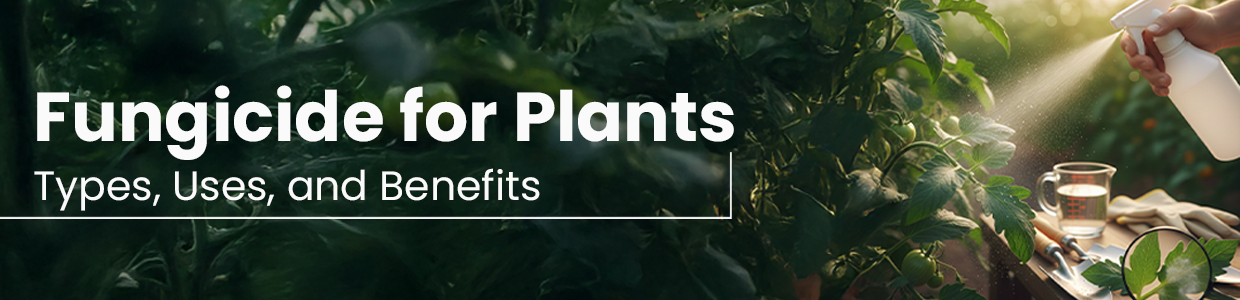
Fungicide for Plants: Types, Uses, and Benefits Explained
Fungal diseases are one of the most silent, but it toxic for plants. They often start with small spots, white powder or slight wilting and before you notice it, the infection is already spread over the leaves, stems, roots, and flowers. Sometimes the infection spreads all over that covers fruits as well. So whether you are growing crops, maintaining a home garden, or managing nursery plants, you must know the importance of fungicide for plants that save both your plants and your efforts.
In this blog, we have covered everything about the fungicide, its importance, type, uses, and other essential details. So you can apply that knowledge directly to your farming process.
What Is Fungicide?
Fungicide is the substance that is used for preventing, control or removing fungal infections in plants. They are available in the form of liquid sprays, powders, concentrates, and granules.
Fungicide chemical commonly used in-
>> Field crops
>> Vegetable farming
>> Fruit orchards
>> Flower gardens
>> Indoor plants
>> Lawns and landscapes.
Why Fungi Appear on Plants?
The reason fungi appear on your crops or plants is mostly because of the humid weather or moisture. It is basically a microscopic organism that spreads through spores and grows. When they settle on a plant, they multiply very fast and damage the plant tissues.
How do Fungicides Actually Work?
Fungicides work in one of three main ways:
1. Prevent spore germination: Stop fungus before it starts
2. Damage fungal cell structure: Kills existing fungus
3. Block fungal metabolism: Prevent growth and spread
Some stay on the surface of the plant, while others move inside plant tissues and work internally.
Fungicides used for controlling problems like:
>> Powdery mildew (white dusty coating on leaves)
>> Leaf spot diseases
>> Rust infections
>> Blight
>> Root rot
>> Stem rot
>> Wilt diseases
>> Damping-off in seedlings
>> Fruit and flower mold
Types of Fungicide for Plants
The following are the differnet type of fungicide-
Contact Fungicides (Surface Protection)
These fungicides remain on the plants outer surface and work as a protective shield. It helps in-
>> Kill fungus on contact
>> Prevent spores from entering plant tissue
>> It works best before infection starts.
But it comes with some drawbacks, like it washes off with rain or heavy watering. That is the reason, it need repeat application.
Best for: Preventive spraying and mild outbreaks.
Systemic Fungicides (Internal Protection)
This fungicide is absorbed by the plant and moves through its internal system that helps in-
>> Fight fungus from inside.
>> Protect new growth
>> Last longer than contact fungicides.
Best for: Active infections and deep fungal problems like root diseases.
Protective vs Curative Fungicides
This is another important term and specifications.
Protective fungicides
It is used before the infection appears, and stops fungal spores from growing. Protective fungicides work ideally in high risk weather like humid and rainy seasons.
Curative fungicides
It is used after symptoms appear, and slows down or stops the spread of the disease, a spread that helps plants recover if applied early.
Mostly professional and experienced growers use a mix of both approaches based on the seasonal requirements and crop stages.
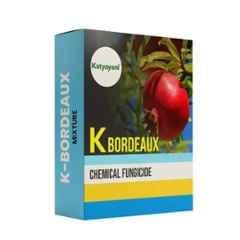
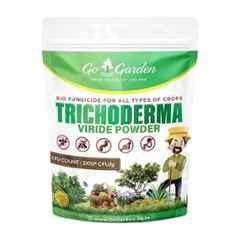
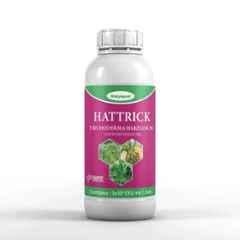
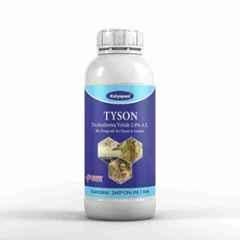
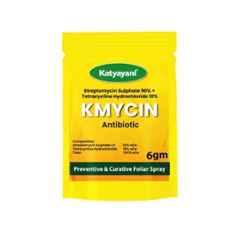
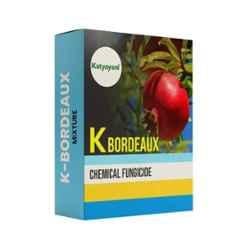
Shop Fungicides from the reliable platform, Moglix, that lists agriculture or gardening products directly from trusted brands like EBS, Katyayani, ExfertCrystal, Hifield-AG and many more.
Fungicide Powder for Plants vs Fungicide Spray
Thes both forms are effective, but knowing the difference would help you choose the right one depending on your need.
Fungicide Powder | Fungicide Spray (Liquid) |
Powder fungicides are usually mixed with water before spraying. While some are dusted directly. | Fungicide spray is either ready to use or comes as a liquid concentrate. |
Advantages- >> Longer shelf life >> Affordable for large areas. >> Easy bulk storage >> Strong formulations available. | Advantages- >> Convenient for home users >> Easy to apply evenly >> Quick plant coverage >> Good for small gardens and indoor plants |
Best for: Farmers and Commercial Growers | Best for: Home gardeners and nursery plants |
Which Fungicides Are Best - Chemical or Biological?
Fungicides fall into two main groups, chemical and biological-
Chemical Fungicide | Biological Fungicide |
These are widely used because of their strong and quick action. | These are divided from natural sources or beneficial microbes |
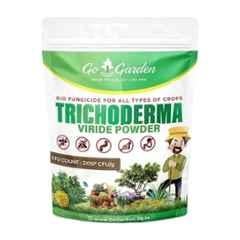
Example- >> Copper based fungicides >> Sulfur formulations >> Broad spectrum protective fungicides >> Systemic curative fungicides >> Multi site contact fungicides | Example- >> Need based products >> Microbial bio fungicides >> Beneficial bacteria and fungi solutions >> Plant extract formulations. |
Chemical fungicides are effective but must be used exactly as directed | Biological fungicides are popular in organic farming and kitchen gardens. |
Best Fungicide for Plants: How to Choose Correctly?
Selecting the right fungicide for plants completely depends on several factors-
Match the Fungicide to the Disease: Every fungal disease responds to different active ingredients. So first know the disease of your plant, then opt for the fungicide.
Plant Type: Choose the fungicide based on your plant type like Vegetables, fruit plants, oramentals and grains. Because every plant needs different products.
Check Infection Stage: Now, always monitor the stage of infection, like-
>> Early Stage: Protective or mild
>> Active Spread: Systemic
Weather: Consider the weather because fungi grow in humidity, so a protective fungicide spray works best before or just after rainy periods.
When and How to Apply Fungicide Spray?
Here is the right time to spray or apply fungicide on your plants-
Best time to apply
>> Early morning or late evening
>> Dry weather conditions
>> Before heavy infection spreads
Application tips
>> Cover both sides of the leaves
>> Spray evenly, not excessively
>> Repeat as per instructions
>> Reapply after heavy rain (for contact fungicides)
Remember, consistency matters more than over application, so apply accordingly.
Final Words
To sum up, fungicide is like an unsung hero that helps to remove, control, and protect your crops from fungi. But before applying these chemical or biological fungicides, there are some safety precautions that every farmer or gardener must consider. Well, have healthy plants and crops with the help of fungicide!

Top Sellers


 +91 9999049135

