

Translate:

How to Choose the Best Safety Gloves for Your Safety
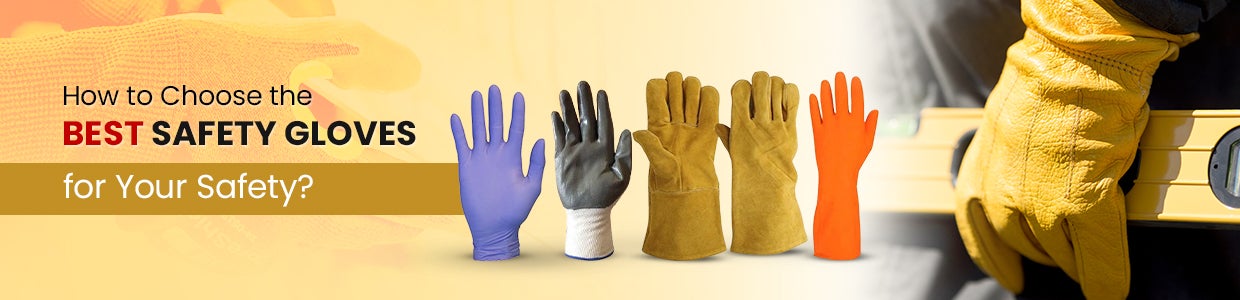
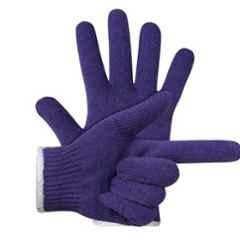
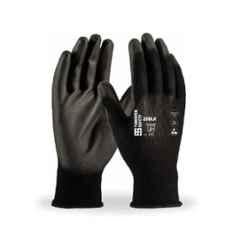
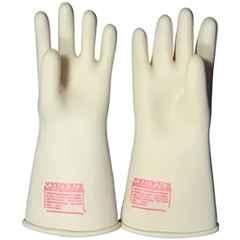
Wearing safety gloves in the workplace is essential for several reasons. They help to protect workers from physical hazards such as cuts, abrasions, burns, and chemical exposure. They provide physical protection; gloves can also help to reduce the risk of hand fatigue and improve grip, which can help to reduce the risk of accidents and injuries.A wide variety of safety gloves are available, each designed to protect against specific hazards. Some common types of safety gloves include: Cut-resistant gloves, Chemical-resistant gloves, Heat-resistant gloves, Cold-resistant gloves, and Disposable gloves.
Tips for Choosing Safety Gloves
Determine The Type of Work You Will be Doing
Some industries have specific requirements for the type of glove that must be worn, and they have to follow these guidelines to ensure the safety of workers. Gloves that are too large may be difficult to use, while gloves that are too small may be uncomfortable and not provide adequate protection.
Consider The Fit and Comfort of the Gloves
The fit and comfort of the gloves are essential because they can affect the worker's ability to perform their job effectively. Some gloves may be more adjustable than others, making it easier to find the perfect fit. Breathable materials can help to reduce sweating and improve comfort, especially in warm environments, which can help to keep the hands cool and dry.
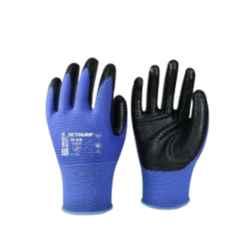
A good grip is also vital for improving agility and reducing the risk of accidents. Look for gloves with textured palms or fingers, which can help to improve grip and reduce slippage.
Check for Certifications and Ratings
ANSI (American National Standards Institute) is a nonprofit organization that develops and publishes standards for various products and industries in the United States. ANSI-certified gloves have been tested and meet specific performance criteria for protection against certain hazards.
EN (European Norm) is a standard for protective gloves recognized throughout Europe. EN-certified gloves have been tested and meet specific performance criteria for protection against certain hazards. ANSI and EN have different categories and levels of protection for gloves, so choosing a pair of gloves that are certified for the specific hazard you are trying to protect against is essential.
Consider The Durability of The Gloves
To ensure the durability of your gloves, look for gloves made of high-quality materials. These materials should be able to withstand the wear and tear of your work environment and any hazards you may encounter. Some common materials in gloves include leather, synthetic materials (such as nylon or polyester), and rubber.
Look for gloves with reinforced fingertips and palms. These reinforced areas help protect against wear and tear, as they are typically the areas of the glove that receive the most abuse?washing or cleaning the gloves regularly, storing them properly when not in use, and replacing them when worn or damaged.
Maintenance and Replacement
Proper maintenance and replacement of your gloves are essential to ensure they continue providing the protection you need.This may include washing or cleaning the gloves regularly, storing them properly when not in use,replacing your gloves and avoiding exposure to extreme temperatures or harsh chemicals.This can be due to normal wear and tear or exposure to hazards or chemicals. Worn or damaged gloves may no longer provide the level of protection you need and may even increase the risk of injury.
In conclusion, wearing appropriate safety gloves in the workplace is vital to protect your hands from hazards and reduce the risk of injury. It's important to consider the following factors: Include the hazards you will face in your workplaces, such as cuts, punctures, abrasions, or chemical exposure. This will assist you in determining what type of gloves you require. Choose gloves designed to protect you from the exact threats you will encounter.
Top Sellers




 +91 9999049135

