

Translate:

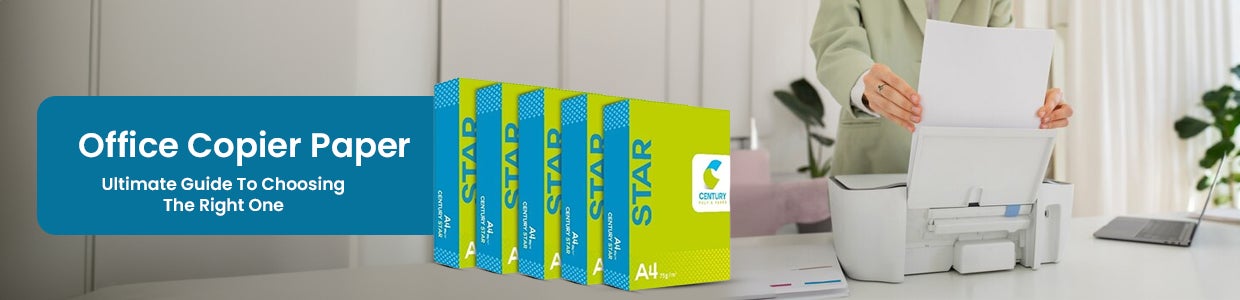
Office Copier Paper: Ultimate Guide To Choosing The Right One
Deciding which type of paper to use with your office printer or copier may seem mundane at first glance. However, carefully considering and choosing the right paper can make printing and copy much more efficient, reduce jamming and waste, and even save your organization considerable money over time.
This comprehensive guide covers everything you need to know when selecting the ideal copier paper for your unique office needs. You?ll learn about copiers, their types, the paper used for copiers, etc.
What is Copier Paper?
Copier paper, sometimes called copy paper, is designed specifically for use in photocopiers and laser/inkjet printers commonly found in modern offices. Its typical characteristics include:
Suitable weight - Copier paper is usually heavier than multipurpose printer paper, weighing 75gsm to 120gsm. This helps prevent jamming and allows for crisp, clear copies.
Good opacity - Quality copier paper should not be transparent or translucent. Its opacity prevents print or copied materials on one side from being visible through the other side.
Smooth surface - A moderately smooth and non-glossy surface prevents pages from sticking together and allows toner or ink to adhere evenly to the page during printing/copying.
Brightness - Most copier paper features brightness levels between 92 to 96 which results in enhanced contrast and legibility.
Sized for copying - Standard copier paper is cut to letter (8.5 x 11 inches) or A4 (210 � 297 mm) sizes to feed through office printers and photocopiers properly.
Affordable - As a high-volume office necessity, copier paper aims to maintain a reasonable cost per ream that fits office budgets
What is The Purpose of Copier Paper?
Copier paper is expressly designed and engineered to meet the demands of frequent bulk printing and photocopying in a business environment. Standard multipurpose printer paper is unsuitable when you need to:
Quickly print hundreds or thousands of clear, legible pages
Photocopy documents with images and text preserved in high-fidelity
Minimise paper jams in high-volume laser/inkjet printers and copiers
Using appropriate copy paper for your particular equipment improves performance and efficiency, which translates to saving time and money and conserving resources.
Is Copier Paper the Same as Printer Paper?
While basic printing and copying put ink or toner onto paper, copiers and office printers do so differently. As such, the optimised paper requirements differ:
Printer paper comes in various weights and surface textures suitable for newsletters, stationery, photos and other applications. Copier paper weights focus on those appropriate for trouble-free copying - typically 75-120gsm.
Printer paper emphasises affordability and the ability to accept colourful inks for graphics and photos. Copier paper prioritises smooth, uniform toner adhesion.
Basic multipurpose home/office printer paper works adequately for occasional light copying. But frequent high-volume copying demands the superior feedability, smoothness, and opacity of copier paper engineered explicitly for the task.
Why Buy Copier Paper for Office Printing?
Many offices use the same printers for day-to-day document printing and occasionally making photocopies. For these offices, using quality copier paper for all their printing paper needs can make the most sense for several compelling reasons:
Increased Reliability - Copier paper is less likely to misfeed or jam, even during large print jobs. This minimises wasted paper as well as frustration and downtime clearing jams.
Versatility - Quality copier paper will still perform excellently for general printing tasks like memos, reports, letterhead stationery, etc. while being ready for copy jobs.
Higher Efficiency - Copier paper optimises toner use, requiring less overall toner coverage for dense black text printing. The cost savings can be substantial over time.
Peace of Mind - Never having to worry if you have the right paper on hand when copying important documents reduces hassles and headaches!
Examining Common Copier Paper Weights
When choosing copy paper, you'll encounter several common paper weights repeatedly - but what do they mean? Here's a quick guide:
75gsm - This equates to a 20-pound bond paper weight. At 75gsm, the paper is lighter but still reliable for general copying, depending on volume.
90gsm - Similar to the 24-pound bond equivalent, 90gsm paper offers a step up in durability and opacity for frequent daily copying. It works excellently for memos, forms, and letters.
105gsm - This 28-pound bond weight increases smoothness and toner adhesion, absorbing 5-15% more toner for richer blacks without feathering. It's ideal for moderate copy volumes.
120gsm - At a 32-pound bond, 120gsm copy paper allows crisp, fine details and symbols to reproduce accurately without bleed-through. Its rigidity also maximises feeding reliability for binding or double-sided copying.
Selecting the right gsm weight comes down to your typical daily copy volume and content type - text only or mixed text/graphics. When in doubt, go a step heavier rather than lighter for reliability.
Tips for Hassle-Free Copying
Finally, following vital best practices prevents the vast majority of paper feed and copy quality issues when using office copiers:
Fully unload and reload paper trays when switching between copy paper weights rather than mixing.
Store copier paper sealed in original packaging/wrapping and avoid humidity until ready for use.
Always fan paper stacks thoroughly before loading trays to prevent multi-feeds.
Check paper package labels to confirm certification in laser printers, colour copiers and/or multifunction equipment as needed.
When unsure, stick to major, trusted copy paper brands that adhere to strict quality control standards for reliable, trouble-free performance.
Replace worn paper trays, feed and separation components like rollers and pads for improved paper handling.
Following these simple, reliable copy-and-paper practices reduces misfeeds, multi-sheets, jams, and print quality issues, saving substantial wasted time and supplies over the long run.
Choosing the ideal office copier paper requires understanding key performance characteristics like basis weight, opacity, brightness, smoothness, and compatibility with your equipment. Prioritising these attributes according to your specific printing and copying needs ensures reliable paper feeding, efficient toner use, and crisp quality output while avoiding jams and waste.
Marketplaces like Moglix offer quick access to top copier models from leading brands to handle your chosen paper stock reliably when sourcing a new office copier. Investing in paper engineered for professional copying and Properly maintained modern copiers maximises efficiency for your organisation?s document production needs.
Frequently Asked Questions
Q- What paper is used for copying?
Ans- 75-80 GSM paper is most commonly used for regular copying needs as it provides the right balance of durability and economy.
What is 75 gsm paper?
Ans-75 GSM paper is lightweight copy paper suitable for low-volume everyday printing and copying requirements. It works well in most office printers.
What is 170 GSM paper used for?
Ans- 170 GSM cardstock is frequently used for brochures, certificates, invitations and other heavyweight paper applications requiring durability and quality printing.
What is 150 GSM paper used for?
Ans- 150 GSM paper provides good versatility for high-volume printing needs like reports, presentations and letters demanding good quality with heavier paper.
Q- What is 180 GSM paper used for?
Ans- 180 GSM ultra-heavyweight paper is ideal for important documents like legal contracts or documents needing archiving, as it allows frequent handling and storage.
Q- What is 140 GSM paper used for?
Ans- 140 GSM paper is suitable for leaflets, newsletters, and applications requiring paper that is thicker than standard copy paper but lighter than premium cardstock.
Q- Is 250 gsm paper good?
Ans- Yes, 250 GSM extra heavy-duty paper, due to its ultra-thick stock, provides excellent durability for frequently handled documents like tags, covers, tickets or labels.Top Sellers



 +91 9999049135

