

24 hrs Delivery
Electrical & Appliances
Office Supplies
Industrial Tools
Medical & Lab Supplies
Agri & Gardening
Safety Supplies
Automotive
Construction Materials
Packaging & Material Handling
category
−price
−brand
−availability
−discount
−ratings
−badges
−sweep
−colour family
−fan size
−power consumption
−speed
−
100mm Exhaust Fans
Showing 10 out of 90 Products
Sort By:

By: Candes
Available on Request
₹2,072
Elegant Look & Light Weight
By: Bajaj
Available on Request
₹6,374
High Speed
Sleek and Stylish design
By: Hartley
Available on Request
₹549
High Speed Technology & Thermal Overload Protection
High Performance Motor with Compact Design
Crompton Mountair 15W 2400rpm Wooden Finish 3 Blade Exhaust Fan, MOUNTAIRNEW4WOOD, Sweep: 100 mm ...
By: Crompton
Available on Request
By: HM
Available on Request
₹1,579
Cooling Exhaust Fan Deliver High Volume Air Flow with Lower...
Very Low Sound, Minimum Power Consumption & Better Efficiency than
By: HM
Available on Request
₹2,169
Very Low Sound, Minimum Power Consumption & Better Efficiency than
Cooling Exhaust Fan Deliver High Volume Air Flow with Lower...
By: Anchor
Available on Request
₹1,319
Inbuilt Front Plate Helps Eliminate All Unwanted Odours & Smoke
Equipped with Super-Efficient Motor for Durability & Designed with Sleek
By: Luminous
Available on Request
₹4,199

By: Implemental
Available on Request
₹865
Designed to be Compact to Make it Suitable for Smaller
White Plastic Construction for Durability & Aesthetics
Hang on, Loading More

Frequently Asked Questions about 100mm Exhaust Fans
What is a 100mm exhaust fan?
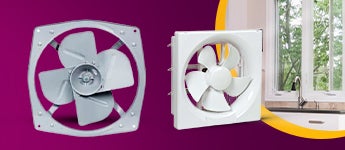
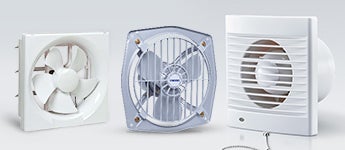
A 100mm exhaust fan, also known as a 4-inch fan, is a ventilation device designed to remove stale air, moisture, and odors from a specific area, typically a bathroom or kitchen. The 100mm refers to the diameter of the ductwork it connects to.
Where are 100mm exhaust fans commonly used?
100mm exhaust fans are most commonly used in residential bathrooms, ensuites, and small to medium-sized kitchens to prevent condensation, mold growth, and lingering smells.
What are the benefits of using a 100mm exhaust fan?
Benefits include improved air quality, reduced humidity, prevention of mold and mildew, elimination of odors, and protection of surfaces from moisture damage. They also contribute to a more comfortable living environment.
How do I choose the right 100mm exhaust fan?
Consider the room size (airflow measured in cubic feet per minute or CFM), noise level (measured in sones), energy efficiency, and any additional features like timers or humidity sensors. Ensure its suitable for continuous or intermittent use as needed.
Are 100mm exhaust fans difficult to install?
Installation can range from straightforward to moderately complex, depending on your existing ventilation setup. It typically involves mounting the fan unit, connecting it to ductwork, and wiring it to the power supply. Professional installation is recommended if youre unsure.

Great Value
Most popular brands with widest range of selection at best prices.

Nationwide Delivery
Over 20,000 pincodes serviceable across India.

Secure Payment
Partnered with India's most popular and secure payment solutions.

Buyer Protection
Committed to buyer interests to provide a smooth shopping experience.

 +91 9999049135


MOGLI LABS (INDIA) PRIVATE LIMITED © 2026 Moglix.com. All Rights Reserved.