
Translate:


Electric Scooter vs Petrol ScooterWhich is Better in 2026?
In 2026, the debate between electric scooters and petrol scooters has become more relevant than ever. With rising petrol prices, increasing environmental concerns, and the rapid growth of electric vehicle technology, many buyers are confused about which option to choose. Electric scooters are gaining popularity due to their affordability and low running cost, while petrol scooters still dominate in terms of performance and long-distance travel.
If you are planning to buy a new scooter, understanding the real differences, benefits, and limitations of both options is essential. This detailed comparison will help you make the right decision based on your daily usage, budget, and long-term savings goals.
Electric Scooter vs Petrol Scooter (Quick Comparison)
Both types of scooters serve different purposes. Electric scooters are best suited for short-distance city travel, while petrol scooters are more suitable for long-distance and high-speed usage.
Key Differences
Cost: Electric scooters are cheaper in the long run, while petrol scooters have higher fuel expenses
Running Expense: Electricity is much cheaper than petrol
Maintenance: Electric scooters require less servicing
Environment: Electric scooters are eco-friendly
Usage: Petrol scooters are better for highways and long rides
Electric Scooter - Detailed Overview
Electric scooters are powered by rechargeable batteries and are designed mainly for urban commuting. They are becoming a preferred choice among students, office workers, and delivery riders due to their low cost and convenience.
Advantages
Electric scooters offer several benefits that make them ideal for modern city life:
Very low running cost (almost 80-90% cheaper than petrol)
Environment-friendly with zero emissions
Silent and smooth riding experience
Low maintenance due to fewer moving parts
No license required for low-speed models (below 250W)
These advantages make electric scooters a smart investment for daily commuters.
Disadvantages
Despite the benefits, there are some limitations:
Charging time can take 3-5 hours
Limited range compared to petrol scooters
Charging infrastructure is still developing in some areas
These factors should be considered if you travel long distances regularly.
Petrol Scooter - Detailed Overview
Petrol scooters have been the traditional choice for decades. They are known for their power, reliability, and ability to handle long-distance travel without interruptions.Advantages
Petrol scooters still hold strong advantages in certain areas:
Higher speed and better performance
Longer range (no need to recharge frequently)
Instant refueling at petrol pumps
Better suited for highways and long rides
These features make petrol scooters ideal for heavy and long-distance usage.
Disadvantages
However, petrol scooters also come with drawbacks:
High fuel cost due to rising petrol prices
Expensive maintenance (engine oil, servicing, parts)
Causes air pollution and noise
Not cost-effective for daily short travel
Over time, these costs add up significantly.
Cost Comparison (Long-Term Perspective)
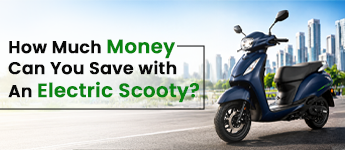
Cost is one of the biggest deciding factors when choosing between electric and petrol scooters. While petrol scooters may seem convenient, their long-term expenses are much higher.
Monthly Expense Comparison
Electric Scooter:
Charging cost: Rs 100- Rs 300/month
Maintenance: Very low
Petrol Scooter:
Fuel cost: Rs 1500- Rs 3000/month
Maintenance: Moderate to high
Electric scooters can save Rs 15,000-Rs 25,000 per year, making them highly economical.
Which One Should You Choose?
Choosing the right scooter depends on your usage and priorities.
Choose Electric Scooter if:
You travel within the city (30-60 km daily)
You want to save money on fuel
You prefer eco-friendly transportation
You need a low-maintenance vehicle
Choose Petrol Scooter if:
You travel long distances regularly
You need higher speed and performance
You prefer quick refueling over charging
You ride on highways frequently
Final Verdict (2026)
In 2026, electric scooters are clearly becoming the better choice for most users, especially in urban areas. They offer significant savings, are environmentally friendly, and are perfect for daily commuting.
Petrol scooters still have their place for long-distance and high-performance needs, but for the majority of users, electric scooters provide better value and convenience.
Conclusion
Both electric and petrol scooters have their own advantages, but the shift towards electric mobility is growing rapidly. With rising fuel prices and improved EV technology, electric scooters are becoming the future of transportation.
If your usage is mostly city-based, an electric scooter is the smarter and more cost-effective choice in 2026.
Frequently Asked Questions (FAQs)
1. Which is better in 2026: electric scooter or petrol scooter?
Electric scooters are better for daily city commuting due to their low running cost, eco-friendliness, and minimal maintenance. Petrol scooters are still better for long-distance travel and higher performance needs.
2. Is an electric scooter cheaper than a petrol scooter?
Yes, electric scooters are much cheaper in the long run. While the initial cost may be similar or slightly lower, the running cost of electricity is significantly less than petrol, saving thousands every year.
3. What is the running cost of an electric scooter vs petrol scooter?
Electric scooter: Around Rs 0.2-Rs 0.5 per km
Petrol scooter: Around Rs 2-Rs 3 per km
This makes electric scooters up to 80-90% cheaper to run.
4. Do electric scooters require a license in India?
Electric scooters with motor power below 250W and speed under 25 km/h do not require a driving license or registration. Higher-powered models do require proper documentation.
5. How long does it take to charge an electric scooter?
Most electric scooters take around 3-5 hours to fully charge. Some advanced models may offer fast charging options.
6. What is the average range of an electric scooter?
Electric scooters typically offer a range of 30-80 km per charge, depending on the battery capacity and model.
7. Are electric scooters good for daily use?
Yes, electric scooters are ideal for daily city use such as office commuting, college travel, and short-distance errands due to their low cost and ease of use.
8. What are the maintenance costs of electric scooters?
Electric scooters have very low maintenance costs because they do not require engine oil, clutch repairs, or frequent servicing like petrol scooters.
9. What are the disadvantages of electric scooters?
Some common disadvantages include:
Limited range
Charging time required
Fewer charging stations in some areas
10. Should I buy an electric scooter in 2026?
Yes, if your daily travel is within the city and you want to save money on fuel, an electric scooter is a smart and future-ready investment in 2026.
Electric scooter: Around Rs 0.2-Rs 0.5 per km
Petrol scooter: Around Rs 2-Rs 3 per km
Limited range
Charging time required
Fewer charging stations in some areas
Looking for the top-rated Electric Scooters?
Browse our complete collection and find the best product today.



Top Sellers
New Arrivals