
Translate:

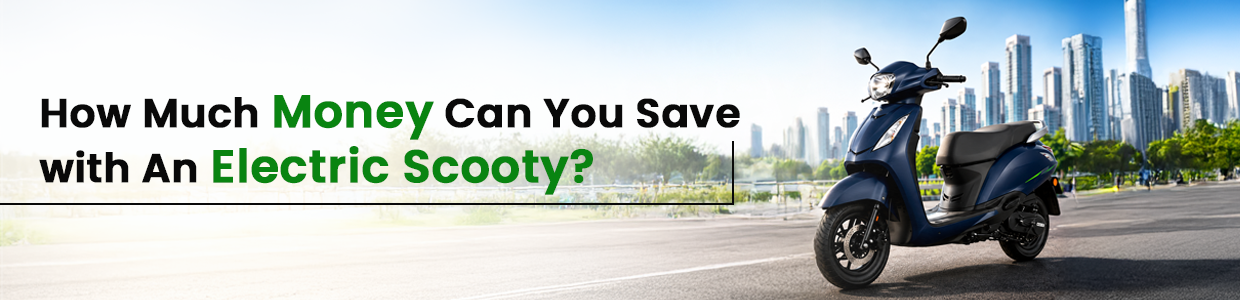
How Much Money Can You Save with an Electric Scooty and How Electric Vehicles Help Reduce Pollution?
Electric vehicles are transforming the future of transportation in India. From reducing fuel expenses to lowering pollution levels, EVs are becoming the preferred choice for modern commuters. Among them, electric scooty models are gaining massive popularity due to their affordability, convenience, and eco-friendly benefits.
However, many buyers still have questions about electric vehicles, including cost savings, environmental impact, and common misconceptions surrounding EV technology.
In this detailed guide, we will explore how much money you can save with an electric scooty, how electric vehicles help reduce pollution, and the most common myths about electric vehicles in India.
How Much Money Can You Save with an Electric Scooty?
One of the biggest reasons people are shifting to electric scooty models is the significant reduction in daily transportation costs.
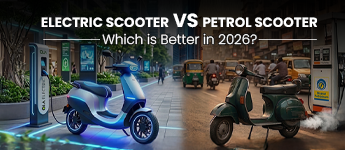
Fuel Cost Comparison: Electric Scooty vs Petrol Scooter
A traditional petrol scooter requires regular fuel refills, while an electric scooty runs on rechargeable batteries that consume far less electricity.
Average Monthly Petrol Expense
For a petrol scooter:
- Daily travel: 30 km
- Monthly travel: 900 km
- Average mileage: 45 km/litre
- Petrol price: ?100/litre
Monthly Petrol Cost:
Approximately Rs.2,000 or more per month.
Average Monthly Charging Cost of Electric Scooty
For an electric scooty:
- Average electricity cost per full charge: ?15 to ?25
- Range per charge: 80?120 km
Monthly Charging Expense:
Approximately Rs.250 to Rs.500 per month.
Estimated Annual Savings
By switching to an electric scooty, users can save:
- Rs.18,000 to Rs.30,000 annually on fuel costs
- Lower servicing and maintenance expenses
- Reduced engine repair costs
This makes electric scooters highly economical for students, office commuters, delivery riders, and small businesses.
Additional Cost Benefits of Electric Vehicles
Low Maintenance Requirements
Electric vehicles have fewer moving components compared to petrol vehicles.
EVs Do Not Require:
- Engine oil changes
- Clutch replacement
- Exhaust system repairs
- Frequent engine servicing
This significantly lowers long-term ownership costs.
Government Subsidies and Incentives
Many states in India offer subsidies and tax benefits on electric vehicle purchases, making EV ownership more affordable.
Reduced Running Cost Per Kilometer
An electric scooty can cost as little as:
- Rs.0.20 to Rs.0.50 per kilometer
Compared to petrol scooters:
- Rs.2 to Rs.3 per kilometer
This difference creates substantial savings over time.
How Electric Vehicles Help Reduce Pollution
Air pollution is a major concern in Indian cities. Electric vehicles play an important role in reducing environmental damage and improving urban air quality.
Zero Tailpipe Emissions
Electric vehicles do not burn petrol or diesel, which means they produce:
- No harmful exhaust gases
- No carbon monoxide emissions
- No nitrogen oxide pollution
This helps improve air quality in crowded urban areas.
Reduced Carbon Footprint
Electric vehicles contribute to lower greenhouse gas emissions, especially when powered through renewable energy sources.
By replacing fuel-powered vehicles with EVs, cities can significantly reduce overall pollution levels.
Noise Pollution Reduction
Electric scooters operate quietly compared to traditional petrol engines.
Benefits include:
- Reduced traffic noise
- Better urban living conditions
- More comfortable riding experience
Supports Sustainable Transportation
Electric mobility encourages cleaner and more sustainable urban transportation systems.
As EV adoption increases, dependence on fossil fuels decreases, helping conserve natural resources.
Environmental Benefits of Electric Scooty in India
India faces increasing challenges related to:
- Traffic congestion
- Air pollution
- Rising fuel consumption
Electric scooty adoption helps address these issues by offering cleaner mobility alternatives.
Key Environmental Advantages:
- Lower urban pollution
- Reduced fuel dependency
- Better energy efficiency
- Cleaner commuting solutions
Common Myths About Electric Vehicles
Despite growing popularity, several misconceptions still prevent people from adopting electric vehicles.
Let's separate myths from reality.
Myth 1: Electric Vehicles Are Too Expensive
Reality:
While the initial purchase cost may appear higher, EVs save substantial money through:
- Lower fuel costs
- Minimal maintenance
- Government incentives
Over time, electric vehicles often become more economical than petrol vehicles.
Myth 2: Electric Scooty Batteries Do Not Last Long
Reality:
Modern lithium-ion batteries are designed for long-term usage.
Most electric scooty batteries last:
- 3 to 5 years or more
- Thousands of charging cycles
Proper maintenance further improves battery lifespan.
Myth 3: Electric Vehicles Have Very Low Range
Reality:
Modern electric scooters offer:
- 80 km to 150 km range per charge
This is sufficient for most daily urban commuting needs.
Myth 4: Charging an Electric Vehicle is Difficult
Reality:
Most electric scooty models can be charged using standard household power sockets.
Home charging convenience eliminates frequent petrol station visits.
Myth 5: Electric Vehicles Are Slow
Reality:
Many high-speed electric scooters provide:
- Quick acceleration
- Instant torque
- Smooth riding performance
Modern EV technology delivers excellent city commuting capabilities.
Myth 6: Electric Vehicles Are Unsafe During Rain
Reality:
Most modern electric scooters are designed with water-resistant electrical systems suitable for regular rainy conditions.
Manufacturers follow strict safety standards for battery and motor protection.
Why Electric Scooty is the Future of Urban Mobility
Electric scooty models are becoming the preferred transportation choice due to:
- Lower operational cost
- Eco-friendly technology
- Government support
- Smart mobility features
- Reduced maintenance requirements
As charging infrastructure continues to expand across India, electric mobility adoption is expected to grow rapidly.
Frequently Asked Questions About Electric Vehicles
Is an electric scooty good for daily use?
Yes, electric scooters are highly suitable for daily city commuting and short-distance travel.
How much electricity does an electric scooty consume?
Most electric scooters consume very little electricity, making them cost-effective for regular use.
Can electric vehicles help reduce pollution?
Yes, electric vehicles reduce harmful emissions and support cleaner urban environments.
Are electric vehicles cheaper to maintain?
Electric vehicles generally have lower maintenance costs because they contain fewer mechanical parts.
Is charging an electric scooty at home safe?
Yes, home charging is safe when using the manufacturer-approved charger and proper electrical setup.
Conclusion
Electric vehicles are reshaping transportation in India by offering affordable, sustainable, and efficient mobility solutions. Switching to an electric scooty can help users save thousands of rupees annually while contributing to cleaner air and reduced pollution.
Understanding the real benefits of EVs and clearing common myths can help more consumers make informed decisions about electric mobility. With continuous advancements in technology and increasing environmental awareness, electric vehicles are set to become the future of urban transportation in India.
Looking for the top-rated Electric Scooters?
Browse our complete collection and find the best product today.


Top Sellers
New Arrivals