

Translate:

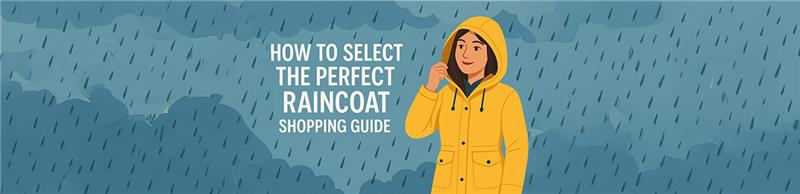
How to Select the Perfect Raincoat: Shopping Guide
Rainy days are unpredictable; one day it's light rain, and the next day you are caught in plain rain. For this very reason, a good raincoat can be invaluable. Worn to the office on the journey to work, trudging up hills, or as an afterthought after a mad rush into the supermarket, a raincoat prevents you from getting wet, cold, and hypothermic. With the numerous styles, fabrics, and designs, how do you choose the best one?
Let's simplify it to common terms, with practical examples and gurus' quotes.
1. Know Your Purpose
Select the raincoat that suits your lifestyle
It is a beginning point for purchasing a raincoat that primarily you need to know your purpose of purchasing it. All raincoats are not the same; some are for use in daily life, and some are for travel or adventure purposes. If you have an idea about your purpose, then you would be able to select the right one that suits your requirement.
Let us discuss in detail the following scenarios:
Daily Commuting (Office, College, City Use)
If a daily trip to college, school, or office in a city is needed, then you will need a raincoat that is light, fashion-forward, and lightweight. It should keep you dry in your walk or drive without warming you up or burdening you when the rain ceases. A wonderful raincoat should be made with a neat cut, proper ventilation, and foldability and portability.
Real Example:
"I wear my Columbia rain jacket to work on my bike; it's light and not warm," says Raghav, a marketing executive in Houston.
What to Look For:
>> Light, easy-on fabric
>> Air-permeable material (so you don't get hot and sweaty inside)
>> Work-appropriate or acceptable-for-daily-wear fashion style
>> Small size that will pack away when not in use
Travel or Backpacking
In traveling, particularly where weather is against you, you require a lightweight and handy raincoat. Best would be a collapsible raincoat that can be folded into a pocket-sized bag and would comfortably fit in your rucksack. It must be waterproof and windproof so that it can save you from a sudden rain shower or a sudden gust of wind.
What to Look For:
>> Light and collapsible
>> Has pocket or pouch storage
>> Completely waterproof (and not water-resistant)
>> Windproof fabric for extra protection
>> Quick drying fabric
It is an ideal fit for travelers, cyclists, and all others who require something light and portable.
Outdoor Sports (Trekking, Hiking, Cycling)
If you're an adventurer, you'll need a hard and rugged raincoat that can withstand harsh weather conditions. The jackets have to be rugged enough to make you totally dry in heavy rain, and the jackets must breathe in the sense that if you physically work, you do not get wet through sweating.
Search for raincoats with waterproof seams (so rain won't seep by the seam), closable cuffs (to pull in the sleeves), and a brim or a visor on the hood to protect rain off your face.
Real Example
"I walked in Himachal during monsoon and wore my Wildcraft raincoat. It had a vented bottom of arms and fitting hood. Never allowed water entry during trekking," shares Anusha, a trekker based in Bengaluru.
What to Expect:
>> Taped or sealed seams for improved waterproofing
>> Venting material (like Gore-Tex or DryVent)
>> Adjustable or visored hood
>> Wrist and waistband adjustment for ease of use
>> Additional waterproof zipped pockets to carry essentials.
Waterproof vs. Water-Resistant Raincoats: What's the Difference?
The moment you head out and it starts raining outside, your raincoat is your savior. And if you have ever gone out to purchase one, then I am certain that you would have been listening to two words being spoken: water-resistant and waterproof. They sound the same, but there's a giant difference between the two when you are speaking of staying dry. Recognizing these terms will be the key to choosing the right one, depending on your activity, either commuting to work or hiking in monsoon months.
What is Water-Resistant
A waterproof raincoat can withstand light rain or scattered coming into contact with water. It is often treated with DWR so that water beads and runs off the material, instead of being absorbed. But in heavier or sustained rain, however, the fabric will be waterlogged and dripping wet.
Wear raincoats with water repellency as everyday shields, perfect for work trips, errands, or light conditions. They generally weigh less, breathe better, and pack tighter, so better for them daily or on the run.
"Water-resistance jackets are perfect for people on the go who need light coverage but without bulk," says REI Co-op outdoor gear expert Michael Taylor.
What Makes a Raincoat Waterproof?
An umbrella is better than that, however. They design them so that no drop of water penetrates the fabric, not even in a torrential downpour or shower. They use laminated or membrane form of materials such as Gore-Tex, DryVent, or eVent, which form a water shield between your body and rain. Apart from that, they use taped or sealed seams, storm flaps, and water-resistant zippers to keep water out. If you're driving five days a week in a rainy city in a car, cycling wet hills on your bike, or cycling in the rain on your bike, waterproof equipment is a necessity.
As would remind National Geographic climber and adventurer Conrad Anker, "There's no such thing as bad weather, only inappropriate clothing." And particularly when you head out into the rain.
Adaptations of Performance Based on Situations
This is how we fare in everyday life:
>> Water-repellent rain jackets will take care of drizzle or an unexpected shower, but not a downpour.
>> Waterproof raincoats, however, are for managing rotten wet weather and dragging you out of it as dry as a bone.
>> Breathability tends to be better with water-resistant coats, but waterproof coats are heavier and stickier.
Water-resistant coats are less expensive, and waterproof coats are pricier because of the specially utilized materials and production.
How to Select the Best One For You
Your decision will be based on how energetic you are, the climate, and your way of life. If you are residing in a light rain district and need just light shielding for a few minutes every day, then a water-repellent coat is fine.
But if you're traveling out during monsoon seasons or require protection at all times when going out, a waterproof raincoat is the best option, though.
Final Thought
Water-repellent and waterproof raincoats are equally very convenient. But it is raining on these teeny-tiniest but most important things, whether to keep you dry or wet you up outside. Do be sure to always read product labels, customer reviews, and brand ratings before buying.
Not many of us are fighting for our lives from dying in the jungle, but choosing the right raincoat will make life a whole heck of a lot easier on those regular days when the sky rains buckets down on us.
Top Sellers
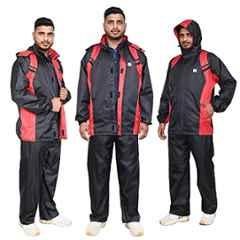
New Arrivals

Mallcom Nimbus Black Raincoat, Size: M
Mallcom Cumulus 120GSM Polyester Grey PU Coating Raincoat, Size: Free
Mallcom Nimbus Grey Raincoat, Size: L
Mallcom Nimbus Navy Raincoat, Size: M
Mallcom Cumulus 120GSM Polyester Blue PU Coating Raincoat, Size: Free
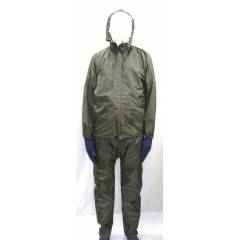
Mallcom Arcus Breathable PU Olive & Black Raincoat, Size: M
Mallcom Nimbus Black Raincoat, Size: XL
Mallcom Cumulus 120GSM Polyester Olive PU Coating Raincoat, Size: Free
Mallcom Arcus Breathable PU Olive & Black Raincoat, Size: XL
Mallcom Nimbus Navy Raincoat, Size: L


 +91 9999049135

