

Translate:

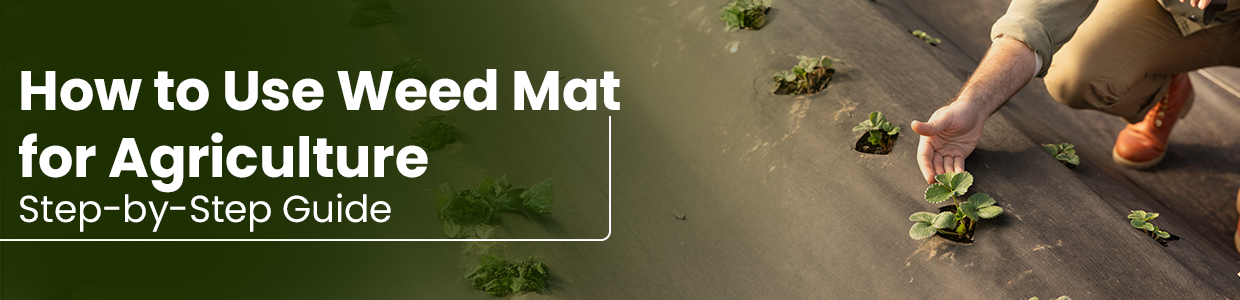
How to Use Weed Mat for Agriculture - Step-by-Step Guide
Weed control is the major challenge for farmers. As weed compete with crops for nutrients, water, sunlight, and space that directly reduces crop yield and increases labor costs. If you have been thinking of using the weed mat as a new method, then knowing the entire process will help it work effectively.
While some farmers still use traditional methods for weed control like manual weeding and chemical herbicides, this is a really time-consuming process. That is where weed mats come in the role, this is also known as weed control fabric or landscape fabric, which is modernize solution.
In this article, we have mentioned the entire process of how to us weed mat for agriculture step by step, benefits, and other information. So without waiting any longer, let?s get into it!
What is Weed Mat?
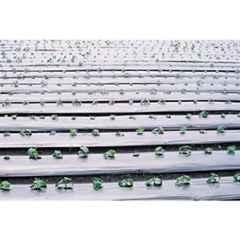
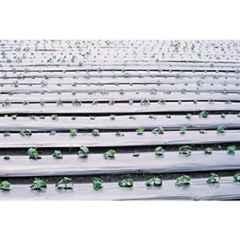
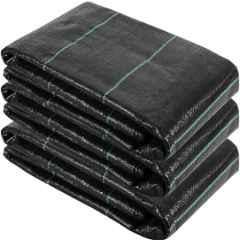
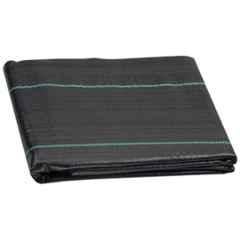
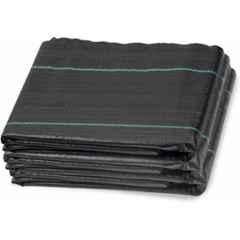
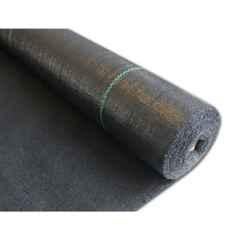
Weed mat is a specialized fabric that is made from polypropylene or a similar material. It works to spread over the soil to block the weed growth while also allowing the air, water, and nutrients to pass through.
Weed control mats are commonly used in:
Vegetable farming
Fruit cultivation
Nurseries and polyhouses
Orchards and plantations
Types of Weed Mats Used in Agriculture
Here are the different types of weed mats and their usages:
Woven Weed Mats
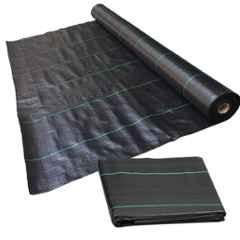
This is weaving plastic strips weed mat that is durable and resistant to UV rays. The best quality of woven weed mats is that it can easily be reused in multiple seasons, so it will be best for long term use in open fields.
Non-Woven Weed Mats
This one is lightweight and flexilble weed mats, and compared to woven weed mat, it is less durable and suitable for short term crops.
Biodegradable Weed Mats
This weed mat is made from natural fibers that can be decompose over time. Biodegradable weed mats are usually perfect for organic farming.
Plastic Weed Sheets
This is an affordable option but non-breathable, which can harm soil health if you use it frequently or long term. Also, it is not recommended over weed mats.
Top Advantages of Using Weed Mat in Agriculture
These are the common benefits of using weed mat for you agriculture needs:
>> Weed mat prevents weed growth in a natural way, without requiring no chemical.
>> This saves water and reduces evaporation by up to 40-50%.
>> It improves crop yield, which means more nutrients go to your crops, not weeds.
>> It keeps producing clean crops, especially for strawberries, melons, and vegetables.
>> Using weed mats is an environmentally friendly and sustainable option.
Steps to Follow: How to Use a Weed Mat for Agriculture
If you are new to using the weed mat for agriculture, then let us help you. Here are the steps to follow:
Step 1: Prepare the Land Properly
Before layering the weed mat, start with these steps:
>> Remove all the existing weeds and stones from your crop.
>> Level the soil surface.
>> Add fertilizers or compost as required.
>> Make sure the complete drainage.
Remember, a good land preparetion ensure the weed mat works more effectively.
Step 2: Measure and Cut the Weed Mat
Now it is time to measure the weed mat, so measure the length and width of your planting beds or rows. Then-
>> Cut the weed mat accordingly.
>> Make sure to leave the extra margin for overlapping and fixing.
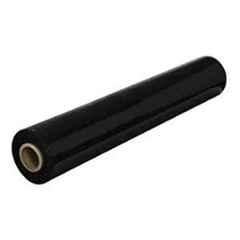
Tip: For large farms, you can pick the roll based installation because it will save time and labor cost.
Step 3: Lay the Weed Mat Correctly
Layering is the next step, so here's how to do it:
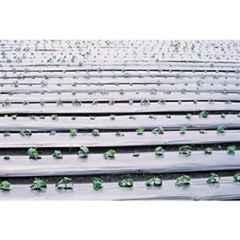
>> Spread the mat tightly over the soil.
>> Make sure it is full cover without any gaps.
>> Ovelap edges by 3-4 inches to avoid weed penetration.
>> Align rows properly for easy planting.
Step 4: Fix the Weed Mat Firmly
To fix the weed mat firmly, you can secure it by using U pins or ground pegs. Other options, like you can fix it through stones or soil on the edges.
It is important to fix the mat to prevent it from shifting due to wind or irrigation.
Step 5: Create Planting Holes
Making a hole is a vital step because correct spacing allows better airflow and plant growth. So to create holes you can start by-
>> Marking crop spacing carefully.
>> Cut small cross or circular holes.
>> Avoid oversized holes because it let weed to grow.
Step 6: Plant Crops Through the Weed Mat
For quick and healthy crop development, you can transplant seeding carefully but make sure to avoid tearing the mat, and firm soil around plant roots.
Step 7: Set Up Irrigation
Usually, weed mats work best with-
>> Drip irrigation systems.
>> Controlled water supply directly to the roots.
This reduces water wastage and improves crop health.
How to Select the Right Weed Mat- Things to Remember
While you know how to use the weed mat, how will you choose the right weed mat for your crops? So here are the steps:
GSM Thickness: Every crop requirement is different, so pick as per that:
90?100 GSM: Short-term crops
100?130 GSM: Vegetables and fruits
130+ GSM: Orchards and heavy-duty use
UV Stabilization: Make sure the weed mat is uv resist and capable to work in long outdoor use.
Climate: Now check if the mat can handle hot climate. As it requires higher GSM and UV resistance.
Budget vs Durability: Now this is your decision but we recommend always opt for quality over the price. Cheaper mats wear quickly, while better one comes with durability and reliability.
Common Mistakes to Avoid When Using the Weed Mat
Avoid these mistakes ensure maximum benefits from weed mats:
Never skip land preparation
Using very thin mats
Not fixing the mat properly
Making large planting holes
Ignoring irrigation planning
Final Words
Weed mat is not an option, it become a necessary requirement for agriculture. Whether you are a small farmer or commercial grower, adopting these new formats will help you protect your crops. In this blog, we have mentioned the complete process to use the weed mat. With this, you will able to understand it properly.

Top Sellers


 +91 9999049135

