
Translate:


How to Choose the Right Wheelchair for the Sick and Disabled
Wheelchairs are essential devices that offer mobility and independence to people with disabilities. Choosing a suitable wheelchair can make a significant difference in the life of a person with a disability or illness. However, with so many types and models of wheelchairs available, it can be overwhelming to choose the right one. This article will guide you through selecting a suitable wheelchair for sick and disabled individuals. If you are conflicted about the basics of wheelchairs, you can refer to this article here and better understand the same.
Types of Wheelchairs
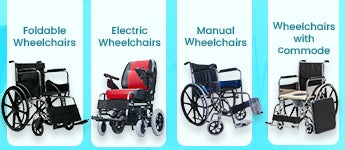
There are two main types of wheelchairs: manual and power wheelchairs. Manual wheelchairs are propelled by the user or an attendant, while power wheelchairs are powered by a battery and operated by a joystick. Let's explore the different types of wheelchairs in detail:
Manual Wheelchairs
Manual wheelchairs are self-propelled, and the user propels themselves forward by pushing on the wheels. There are several subtypes of manual wheelchairs:
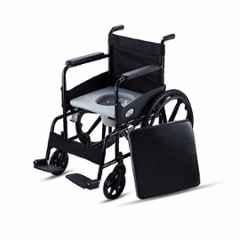
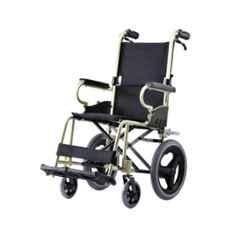
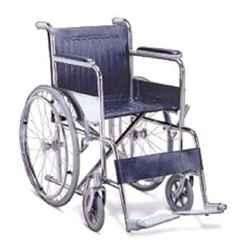
Standard manual wheelchair: This type of wheelchair is the most common and is suitable for short-term use. They are lightweight and foldable, making them easy to transport.
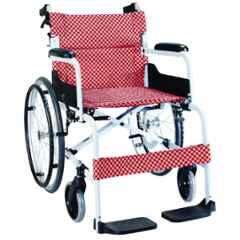
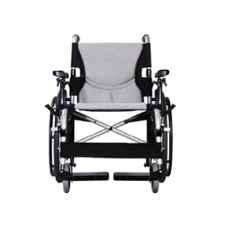
Lightweight manual wheelchair: This type of wheelchair is suitable for long-term use as they are lightweight and easy to maneuver. They are ideal for people who need to self-propel their wheelchairs for extended periods.
Heavy-duty manual wheelchair: This type of wheelchair is designed for people who are overweight or obese. They are sturdier and more durable than standard or lightweight manual wheelchairs.
Power Wheelchairs
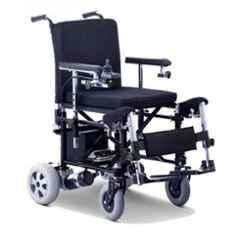
Power wheelchairs are operated by a joystick and are suitable for people with limited upper body strength or who cannot self-propel a manual wheelchair. There are several subtypes of power wheelchairs:
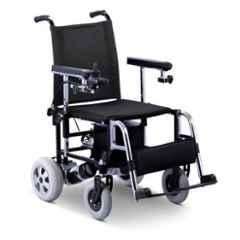
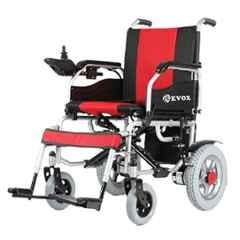
Standard power wheelchair: This type of wheelchair is suitable for short-term use and is typically covered by insurance. They are easy to use and come with basic features.
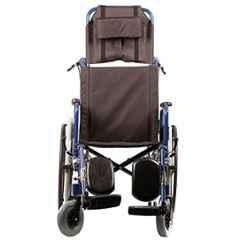
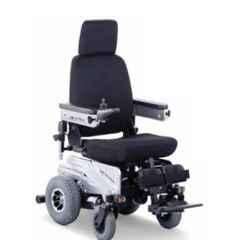
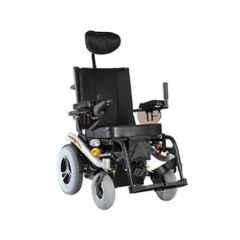
Custom power wheelchair: This type of wheelchair is customized to the user's needs and is suitable for long-term use. They have advanced features such as power tilt, power recline, and elevating leg rests.
Standing power wheelchair: This wheelchair allows the user to stand upright, providing several health benefits. They are suitable for people who spend extended periods in wheelchairs and want to improve their blood circulation, respiratory function, and bone density.
Top 3 Factors to Consider when choosing a Wheelchair for the Sick and Disabled
Choosing a suitable wheelchair involves considering several factors, including the user's physical condition, lifestyle, and environment. Here are the essential factors to consider:
User's Physical Condition
The user's physical condition is critical when choosing a wheelchair. The wheelchair should provide support and comfort to prevent further injury or discomfort. Here are the essential physical factors to consider:
Mobility: The user's mobility level will determine whether a manual or power wheelchair is suitable. People with limited mobility may require a power wheelchair, while those with some upper body strength may use a manual wheelchair.
Body size: The user's body size will determine the size and weight capacity of the wheelchair. Heavy-duty wheelchairs are suitable for people who are overweight or obese.
Posture: The wheelchair should provide adequate support to maintain the user's posture and prevent slouching. Wheelchairs with adjustable seat height and backrests suit people with poor posture.
Comfort: The wheelchair should be comfortable to prevent skin breakdown and pressure sores. Padded seats, backrests, and adjustable footrests are essential for comfort.
User's Lifestyle
The user's lifestyle will determine the type of wheelchair that is suitable. Here are the essential lifestyle factors to consider:
Indoor or outdoor use: Wheelchairs suitable for outdoor use have larger wheels with more significant tread, making it easier to navigate over rough terrain. Indoor wheelchairs are smaller and more maneuverable, making it easier to navigate tight spaces.
Travel: If the user plans to travel frequently, a lightweight and foldable wheelchair is essential. Some airlines have restrictions on the size and weight of wheelchairs, so it's vital to check with the airline before traveling.
Hobbies and activities: If the user has specific hobbies or activities, such as sports or gardening, they may require a specialized wheelchair. There are sports wheelchairs, all-terrain wheelchairs, and even beach wheelchairs available.
Environment
The environment in which they will use the wheelchair is an essential factor to consider. Here are the essential environmental factors to consider:
Home environment: The wheelchair should fit comfortably in the home environment, including doorways, hallways, and bathrooms. If the user has a narrow entrance or hallway, you may require a smaller wheelchair.
Work environment: If the user works in an office, you may require a lightweight and maneuverable wheelchair. If the user works in a more rugged environment, such as a construction site, you may need an all-terrain wheelchair.
Climate: The climate in which they will use the wheelchair is an essential factor to consider. If the user lives in a wet environment, a wheelchair with waterproof upholstery may be required. If the user lives in a hot climate, a wheelchair with breathable upholstery may be necessary.
Accessories
Accessories can enhance the comfort and functionality of a wheelchair. Here are some essential accessories to consider:
Cushions: Cushions can provide additional comfort and prevent pressure sores. There are gel, foam, and air-filled cushions available.
Backrests: Adjustable backrests can provide additional support and comfort and prevent slouching.
Footrests: Adjustable footrests can improve comfort and prevent swelling in the feet and legs.
Armrests: Padded armrests can improve comfort and prevent pressure sores.
Wheelchair bags: Wheelchair bags can provide additional storage and convenience.
Buy the most comfortable Wheelchair at Moglix
Choosing a suitable wheelchair for a sick or disabled individual can be challenging. Still, by considering the user's physical condition, lifestyle, environment, and accessories, you can find a wheelchair that provides the necessary support and comfort. It's essential to work with a healthcare professional or an experienced wheelchair supplier to ensure that the wheelchair meets the user's needs and is appropriately fitted. A properly fitted wheelchair can improve the user's mobility, independence, and quality of life. Moglix offers better pricing, offers that run throughout the year, and flexible payments to simplify the process.Looking for the top-rated Wheelchairs?
Browse our complete collection and find the best product today.


Top Sellers