
Translate:


Top 10 Essential Safety & Security Equipment Every Workplace Must Have in 2026
Workplace safety is no longer just about compliance. In 2026, businesses across industries are focusing on employee protection, asset security, accident prevention, and smart surveillance systems to create safer working environments.
Whether it is a manufacturing plant, warehouse, construction site, office, hospital, retail store, or logistics hub, safety and security equipment help reduce risks, prevent financial losses, improve operational efficiency, and ensure employee confidence.
Many workplaces still face common problems such as unauthorized entry, fire hazards, electrical accidents, chemical exposure, theft, slips and falls, and lack of emergency preparedness. The right safety and security equipment can solve these issues before they become major incidents.
In this guide, we will cover the top 10 essential workplace safety and security equipment every business should invest in during 2026.
1. CCTV Surveillance Cameras
Common Workplace Problem
Many businesses struggle with theft, unauthorized access, employee misconduct, and lack of visibility in critical operational areas.
Solution
Modern CCTV surveillance systems help monitor workplace activities in real time and provide recorded evidence when incidents occur.
Real Uses
Monitoring warehouse inventory
Tracking visitor movement
Preventing theft and vandalism
Improving employee safety
Monitoring parking areas and entry gates
Key Benefits
24/7 surveillance
Remote monitoring through mobile apps
Better workplace discipline
Reduced security risks
Faster incident investigation
Best for
Factories, offices, retail stores, warehouses, hospitals, schools, and construction sites.
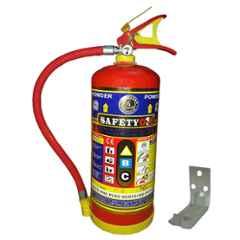
2. Fire Extinguishers and Fire Safety Systems
Common Workplace Problem
Electrical short circuits, chemical leaks, overheating equipment, and flammable materials can quickly cause workplace fires.
Solution
Fire extinguishers and fire alarm systems help control fires during the early stage and reduce damage.
Real Uses
Handling electrical fires in server rooms
Controlling oil or chemical fires in industrial areas
Emergency response in offices and warehouses
Essential Fire Safety Equipment
ABC fire extinguishers
Smoke detectors
Fire alarms
Fire blankets
Emergency exit signs
Key Benefits
Protects employees and assets
Reduces fire-related losses
Improves emergency readiness
Helps meet workplace safety standards
3. Safety Helmets
Common Workplace Problem
Head injuries are one of the most common accidents in construction and industrial environments.
Solution
Industrial safety helmets protect workers from falling objects, impact injuries, and electrical hazards.
Real Uses
Construction sites
Mining operations
Manufacturing plants
Electrical maintenance work
Key Benefits
Reduces serious head injuries
Provides electrical insulation
Improves worker confidence
Enhances compliance with industrial safety guidelines
4. Safety Gloves
Common Workplace Problem
Workers handling sharp tools, chemicals, hot surfaces, or machinery often face hand injuries.
Solution
Different types of safety gloves protect hands against cuts, burns, chemicals, and electrical risks.
Types of Safety Gloves
Cut-resistant gloves
Chemical-resistant gloves
Heat-resistant gloves
Electrical safety gloves
Real Uses
Welding
Chemical handling
Machine operation
Warehouse packaging
Key Benefits
Prevents injuries
Improves grip and handling
Enhances worker productivity
Reduces workplace downtime
5. Access Control Systems
Common Workplace Problem
Unauthorized entry can lead to data theft, equipment loss, and restricted-area violations.
Solution
Access control systems allow businesses to restrict entry to authorized employees only.
Real Uses
Office entry management
Restricted server room access
Attendance tracking
Visitor management
Common Access Control Technologies
Biometric systems
RFID cards
Smart locks
Facial recognition systems
Key Benefits
Improved workplace security
Better employee tracking
Reduced unauthorized access
Secure sensitive areas
6. Safety Goggles and Face Shields
Common Workplace Problem
Dust, flying particles, sparks, and chemicals can damage workers? eyes and face.
Solution
Safety goggles and face shields provide essential eye and facial protection.
Real Uses
Grinding operations
Laboratory work
Chemical mixing
Welding applications
Key Benefits
Prevents eye injuries
Protects against chemical splashes
Improves workplace safety compliance
Enhances worker confidence
7. Emergency Exit Lights and Signage
Common Workplace Problem
During emergencies such as fires or power failures, employees may panic and fail to locate safe exits.
Solution
Emergency lights and exit signage guide employees toward safe evacuation routes.
Real Uses
Office buildings
Shopping malls
Hospitals
Manufacturing facilities
Key Benefits
Faster emergency evacuation
Reduced panic during emergencies
Improved emergency preparedness
Better compliance with safety regulations
8. First Aid Kits
Common Workplace Problem
Minor injuries can become serious if immediate medical treatment is unavailable.
Solution
Workplace first aid kits help provide immediate treatment before professional medical assistance arrives.
Essential First Aid Items
Bandages
Antiseptic solution
Burn cream
Cotton and gauze
Pain relief medicines
Medical gloves
Real Uses
Minor cuts and burns
Slips and falls
Workplace injuries
Emergency response
Key Benefits
Faster medical response
Reduced injury severity
Improved employee safety
Better emergency readiness
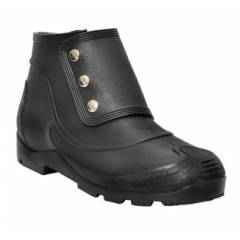
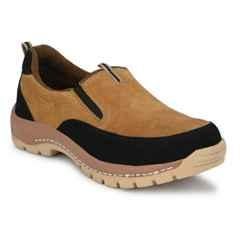
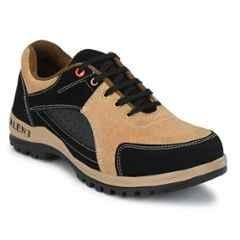
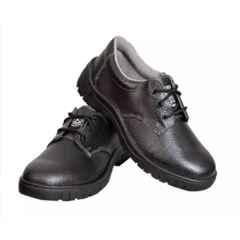
9. Industrial Safety Shoes
Common Workplace Problem
Slippery floors, falling objects, and sharp materials can cause severe foot injuries.
Solution
Industrial safety shoes provide protection against impact, punctures, slips, and electrical hazards.
Real Uses
Construction sites
Warehouses
Logistics operations
Manufacturing units
Key Features
Steel toe protection
Slip-resistant sole
Electrical hazard protection
Oil-resistant material
Key Benefits
Reduces foot injuries
Improves workplace mobility
Enhances worker comfort
Prevents slips and falls
10. Intruder Alarm Systems
Common Workplace Problem
Businesses often face risks such as theft, break-ins, and unauthorized movement after working hours.
Solution
Intruder alarm systems detect suspicious activity and immediately alert security personnel.
Real Uses
Warehouses
Retail stores
Offices
Server rooms
Key Benefits
Prevents theft and vandalism
Improves night-time security
Instant emergency alerts
Better workplace monitoring
How to Choose the Right Workplace Safety Equipment
Before purchasing workplace safety equipment, businesses should consider:
Workplace Risk Assessment
Identify hazards related to machinery, chemicals, electrical systems, and human movement.
Industry Requirements
Different industries require different safety standards and protection levels.
Product Quality
Always choose certified and durable safety equipment for long-term protection.
Employee Training
Even the best safety equipment is ineffective without proper employee training.
Scalability
Choose systems that can grow with business expansion.
Future Trends in Workplace Safety for 2026
Modern workplaces are adopting smart safety technologies such as:
AI-powered CCTV systems
Smart wearable safety devices
IoT-enabled fire alarms
Cloud-based access control
Real-time workplace monitoring
Automated emergency alerts
These technologies improve safety response time and reduce human error.
Conclusion
Workplace safety and security are critical for every business in 2026. Investing in essential safety equipment not only protects employees and assets but also improves productivity, compliance, and business continuity.
From CCTV cameras and fire safety systems to safety helmets, gloves, and access control solutions, every workplace should build a proactive safety strategy based on real operational risks.
Businesses that prioritize workplace safety today will create more secure, efficient, and reliable environments for the future.
Frequently Asked Questions (FAQs)
1. What is the most important workplace safety equipment?
The most important safety equipment depends on workplace risks, but fire safety systems, CCTV cameras, helmets, gloves, and first aid kits are essential for most workplaces.
2. Why is workplace safety equipment important?
Safety equipment helps prevent accidents, protects employees, reduces financial losses, and improves workplace compliance.
3. Which industries require safety and security equipment?
Manufacturing, construction, healthcare, warehousing, logistics, retail, and office environments all require workplace safety equipment.
4. How often should workplace safety equipment be inspected?
Most safety equipment should be inspected monthly or quarterly depending on usage and industry regulations.
5. What are the benefits of CCTV surveillance in workplaces?
CCTV systems improve security, prevent theft, monitor employee safety, and provide recorded evidence during incidents.
6. What type of safety gloves should industrial workers use?
Workers should use gloves based on hazards such as cut-resistant, heat-resistant, chemical-resistant, or electrical safety gloves.
7. How do access control systems improve workplace security?
Access control systems restrict unauthorized entry and protect sensitive workplace areas.
8. What should a workplace first aid kit contain?
A workplace first aid kit should include bandages, antiseptics, burn creams, gloves, gauze, and emergency medical supplies.
9. Why are safety shoes important in industrial workplaces?
Safety shoes protect workers from falling objects, sharp materials, slips, and electrical hazards.
10. What are the latest workplace safety trends in 2026?
AI surveillance, IoT safety devices, smart alarms, cloud-based monitoring, and wearable safety technology are major workplace safety trends in 2026.
Looking for the top-rated Safety?
Browse our complete collection and find the best product today.



Top Sellers