
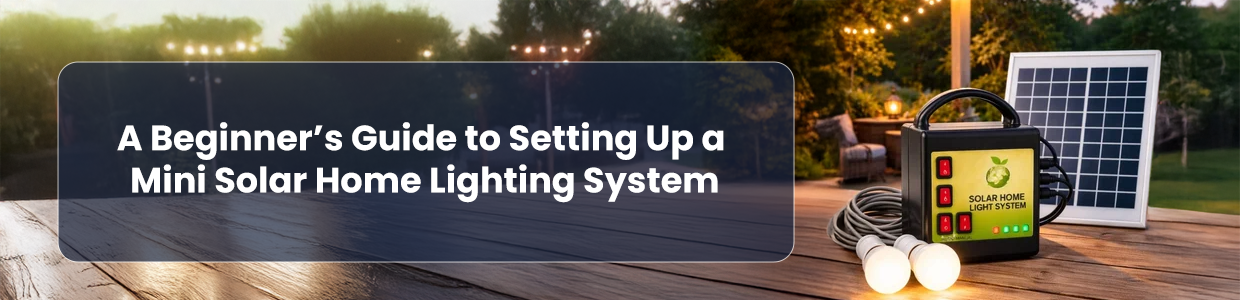
A Beginners Guide to Setting Up a Mini Solar Home Lighting System
Solar energy is becoming increasingly popular across India as households look for reliable, cost-effective, and environmentally friendly alternatives to conventional electricity. Rising power costs, frequent outages in some regions, and growing awareness of renewable energy have encouraged many people to explore solar-powered solutions.
This guide is designed for rural households, homeowners seeking backup power, small shop owners, farmers, and anyone interested in reducing their dependence on the grid. A mini solar home lighting system offers an easy and affordable way to power lights and small devices using energy from the sun.
Whether you want emergency lighting during power cuts or a primary lighting source for a small space, a mini solar setup can be a practical solution.
What Is a Mini Solar Home Lighting System?
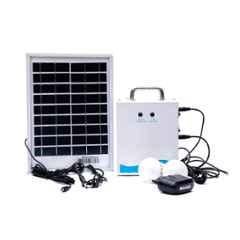
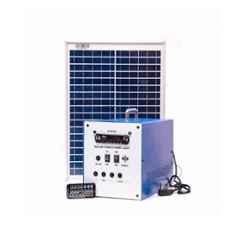
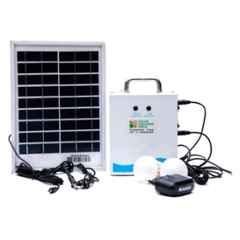
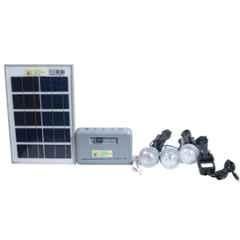
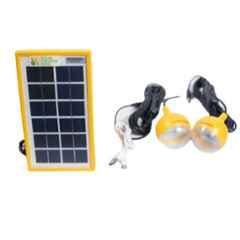
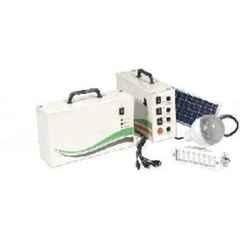
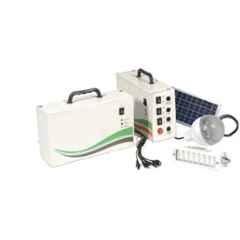
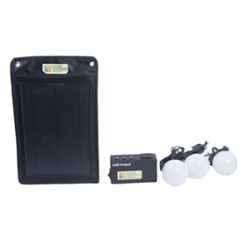
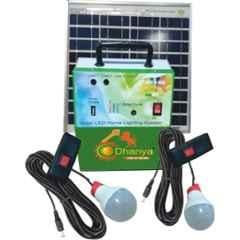
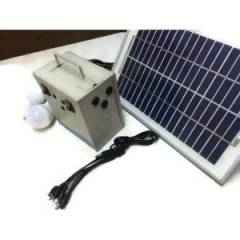
A mini solar home lighting system is a small-scale solar power setup designed primarily to run LED lights and a few low-power devices. It captures sunlight through solar panels, stores the energy in a battery, and supplies power when needed.
Unlike full home solar installations that can power appliances such as refrigerators, air conditioners, and washing machines, mini solar systems are designed for basic lighting and backup requirements.
Common applications include:
Small homes and rural households
Shops and kiosks
Farm sheds and poultry farms
Emergency backup lighting
Outdoor lighting applications
These systems are affordable, simple to install, and require minimal maintenance.
Key Components You'll Need
Before setting up your system, it's important to understand the major components involved.
Solar Panel
The solar panel converts sunlight into electricity. For beginners, panels ranging from 50W to 200W are commonly used depending on lighting requirements.
Battery
The battery stores the energy generated during the day for use at night.
Common battery types include:
Lead-Acid Batteries
Lower initial cost
Widely available
Require periodic maintenance
Lithium-Ion Batteries
Longer lifespan
Faster charging
Lightweight and maintenance-free
Higher upfront cost
Charge Controller
A charge controller regulates the flow of electricity between the solar panel and battery. It prevents overcharging and excessive battery discharge, improving battery life.
LED Lights
LED bulbs are highly energy-efficient and ideal for solar lighting systems. They consume less power while providing bright illumination.
Inverter (If Needed)
If you want to power AC appliances or standard household bulbs, you may need an inverter. However, for DC LED lighting systems, an inverter is often unnecessary.
Wiring and Mounting Accessories
Additional items include:
Solar cables
Connectors
Mounting brackets
Screws and fasteners
Battery terminals
Using quality accessories helps ensure safety and system reliability.
How to Choose the Right Solar Panel Size
Selecting the correct panel size is one of the most important steps.
Estimate Your Lighting Requirements
Start by calculating your daily energy consumption.
For example:
4 LED bulbs
Each bulb consumes 9W
Used for 5 hours daily
Energy requirement:
4 x 9W x 5 hours = 180Wh per day
Account for Charging Losses
Solar systems experience some energy loss during charging and storage. Adding a 20-25% safety margin is recommended.
In this example:
180Wh + 25% = 225Wh daily requirement
Panel Wattage Recommendations
For basic lighting setups:
Daily Usage | Recommended Panel Size |
100-200Wh | 50W-100W |
200-400Wh | 100W-150W |
400-600Wh | 150W-200W |
Choosing a slightly larger panel helps maintain reliable charging even during cloudy weather.
Step-by-Step Installation Guide
Step 1: Choose the Right Location
Install the solar panel in an area that receives direct sunlight for most of the day. Rooftops are typically the best option.
Avoid locations affected by:
Trees
Buildings
Water tanks
Antennas
Even partial shading can significantly reduce panel performance.
Step 2: Mount the Solar Panel
Secure the panel using appropriate mounting brackets.
Ensure:
The structure is stable
The panel faces maximum sunlight
Wind loads are considered
Step 3: Connect the Solar Panel to the Charge Controller
Use the recommended solar cables to connect the panel output terminals to the charge controller.
Follow the polarity markings carefully:
Positive (+)
Negative (-)
Incorrect connections can damage equipment.
Step 4: Connect the Battery
Connect the battery terminals to the charge controller according to the manufacturer's instructions.
Most charge controllers display charging status and battery condition once connected.
Step 5: Wire the LED Lights
Connect the LED lights to the load terminals of the charge controller.
Ensure all wiring is secure and insulated properly.
Step 6: Test the System
After completing all connections:
Check battery charging status
Turn on the lights
Verify proper operation
Inspect all connections
A successful test confirms that the system is ready for daily use.
Tips for Maximum Efficiency
Position the Panel Correctly
The solar panel should face south in most parts of India to maximize sunlight exposure.
Maintain the Correct Angle
Adjust the tilt angle according to your location to improve energy generation throughout the year.
Keep Panels Clean
Dust accumulation can reduce efficiency significantly.
Clean the panel regularly using:
Soft cloth
Water
Non-abrasive cleaning materials
Maintain the Battery
For lead-acid batteries:
Check water levels periodically
Keep terminals clean
Avoid deep discharge
Lithium-ion batteries require less maintenance but should still be inspected periodically.
Avoid Overloading
Only connect devices within the system's rated capacity. Excessive load can damage batteries and reduce overall performance.
Cost Estimate for a Basic Setup
The cost of a mini solar lighting system depends on the quality and capacity of components.
Budget Setup
Solar panel (50W-100W): Rs 2,500-Rs 5,000
Battery: Rs 3,000-Rs 6,000
Charge controller: Rs 500-Rs 1,500
LED lights: Rs 500-Rs 1,000
Wiring and accessories: Rs 500-Rs 1,500
Estimated Total: Rs 7,000-Rs 15,000
Premium Setup
High-efficiency solar panel
Lithium-ion battery
Advanced MPPT charge controller
Premium LED fixtures
Estimated Total: Rs 15,000-Rs 30,000+
Although the initial investment may seem significant, solar lighting systems can help reduce electricity expenses and provide dependable lighting for years.
Common Mistakes Beginners Make
Choosing an Undersized Panel
Many users underestimate their energy needs, resulting in insufficient charging and poor performance.
Using a Small Battery
A battery that is too small may not provide enough backup during cloudy days or extended usage periods.
Poor Wiring Practices
Loose or improperly connected wires can lead to voltage drops, reduced efficiency, and safety risks.
Ignoring Maintenance
Dusty panels and neglected batteries can significantly reduce system performance over time.
Buying Low-Quality Components
Cheap components may fail prematurely and lead to higher replacement costs. Investing in reliable products often delivers better long-term value.
Safety Precautions
Handle Batteries Carefully
Batteries store significant energy and should be handled with caution.
Always:
Use insulated tools
Wear protective gloves when needed
Follow manufacturer guidelines
Prevent Short Circuits
Keep exposed wires covered and ensure proper insulation throughout the system.
Install Weather Protection
Outdoor components should be protected from:
Rain
Moisture
Extreme weather conditions
Weatherproof enclosures help extend equipment life and improve safety.
Follow Electrical Safety Standards
Double-check all connections before powering the system and disconnect power sources before performing maintenance.
Conclusion
A mini solar home lighting system is an excellent way to enjoy reliable, clean, and cost-effective lighting. With a few essential components and proper installation, you can reduce electricity costs, gain backup power during outages, and contribute to a more sustainable future.
The best approach for beginners is to start with a small system designed for lighting needs and gradually expand it as requirements grow. By choosing quality components and following basic maintenance practices, your solar lighting system can provide dependable performance for many years.
Ready to get started? Explore solar panels, batteries, charge controllers, and LED lighting options to build a mini solar system that matches your needs and budget.
Looking for the top-rated Solar Home Systems?
Browse our complete collection and find the best product today.



Top Sellers