

Translate:

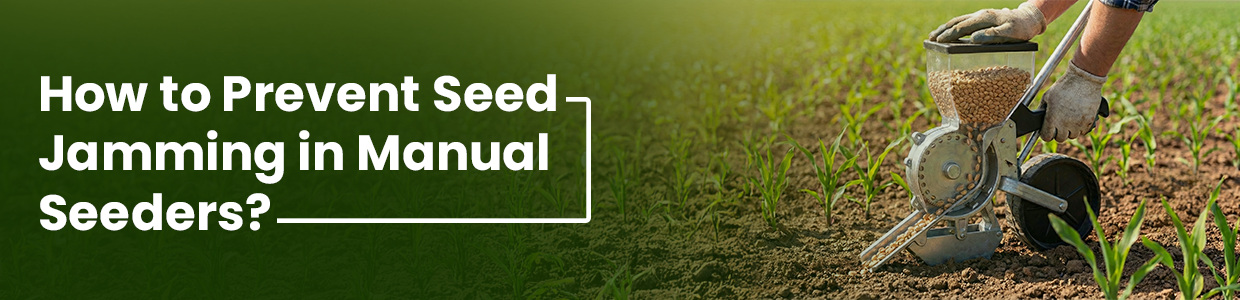
How to Prevent Seed Jamming in Manual Seeders: Tips and Guide
Seed jamming is one of the most common problems faced by farmers and gardeners with manual seeders. The jammed seeder not only slows down the productivity but also leads to inconsistent seed spacing and wasted seeds. However, with slight changes and efforts, you can prevent seed jamming in your manual seeders. So here in this blog, we have covered the 10 best ways that can make the seeder durable, and a detailed guide on why seed jamming happens and how to stop it.
10 Best Ways to Prevent the Seeder Jamming: Easiest Tips
The following are the best ways to prevent the seeder from jamming, with some handy tips:
1. Choose the Right Seed Size for the Seeder Plate
Choosing the right seed size for the seeder plate is really important, as manual seeders usually come with seed plates and discs, and using the wrong size plate is the most common cause for jamming.
What to do:
Match the seed size with the correct plate hole size.
Use the seed plates recommended in the manual for each crop. For example, groundnut, soybean, and okra.
For mixed size seeds, sieve them first.
2. Always Clean the Seeder Before Use
Make sure before using the seeder always clean the dirt, dust, and leftover husk. Because it can cause friction inside the hopper.
What to do: Cleaning Routine:
After every use, make sure to rinse the hopper and seed plates.
Before storing, always let all the parts dry completely.
Remove the stuck husks or seed coating residues.
3. Make sure the Seeds Are Dry and Free-Flowing
Moisture or dust covered seeds are more likely to clump together, which can cause blockage.
Simple Tips:
Fill the hopper with only dry seeds.
Make sure the seeds are clean, and don?t mix dust, soil, or anything like this.
If seeds are sticky, lightly coat with talcum powder or rice flour for smooth flow.
4. Avoid Overfilling the Hopper
Another common reason for the seeder being jammed is the hopper to the brim, which increases pressure and jamming chances.
What to do:
Only fill around 50 to 70% capacity.
Gently shake the hopper before starting the work to loosen the seeds.
5. Maintain Correct Operating Speed
Speed also plays an important role in the seeder working process. For example, if you push the seeder too fast or too slow, seeds may not drop correctly, which can sometimes cause a jam.
Best Way:
Maintain a steady walking pace, ideally medium would be best. Make sure neither fast nor slow.
Keep the machine upright for uniform seed flow.
6. Check for Mechanical Wear and Tear
By the time, the seed plates, bearings, and shafts can get damaged or worn out. So make sure to give it maintenance.
Routine checks:
Always check the seed plate rotation; it should spin freely.
Inspect the seeder for any cracks or bent parts.
Lubricate the moving component, but keep oil away from the seed hopper.
7. Sieve or Grade Seeds Before Loading
Unevenly sized seeds can often block the holes that can cause a seeder jam.
Use simple tools:
You can use a small mesh sieve.
Remove damaged or oversized seeds manually.
8. Avoid Using Oversized or Coated Seeds Without Proper Plates
Do not use thick coated hybrid seeds without proper plates, especially those that are larger than regular ones.
What to do:
Use seed plates that are designed for specifically coated seeds
If unavailable, then manually adjust the seed drop rate or reduce plate pressure.
9. Test the Seeder Before Starting the Field Row
This will only take less than an hour, so make sure to test the seeder before starting field work.
How to test:
Push the seeder on a plain surface for 5?10 meters.
Check if seeds are dropping consistently.
Adjust spacing control screws if needed
10. Store the Seeder Properly
Improper storage leads to rust, clogging, and stuck components.
Tips:
Keep the seeder in a dry, shaded area.
Avoid moisture exposure.
Empty remaining seeds after each use.
Quick Tips to Save Time & Efforts to keep the Seeder Work Properly.
These are your handy tips to prevent seed jamming:
Problem | Cause | How to Fix |
Are seeds not dropping? | Wrong plate, or moisture |
|
Seeder vibrates | Due to the overfilled hopper | Reduce the seed quantity |
Constant blockage | Because of dirt in the hopper | Clean the hopper completely |
Uneven flow | Fast pushing speed | Maintain the stable pace, neither too fast nor too slow. |
Constant breakdowns or issues in the seeder are not the right thing; rather than fixing every time, you can invest in a good quality seeder from your home gardens to large fields. You can find a variety of garden seeding machines at Moglix from trusted brands and affordable price ranges.
How to Choose Good Quality Manual Seeders?
Compatibility: Choose the seeder that works perfectly with the specific seeds you use, like small, medium, or large. It ensures better accuracy.
Adjusting Setting: Look for the seeder that comes with seed spacing and planting depth for uniform planting.
Strong Build: Look for a durable build quality seeder that has a metal frame with a lightweight body, which is easy to push and lasts long.
Wheel Movement: Pick the good quality wheels that enhance stability, reduce efforts, and prevent skipping during sowing.
Hopper Maintenance: Choose the hopper that is easy to clean. You can ensure that by easy to open seed box that helps prevent seed jamming and makes refilling simple.
Sum Up
In conclusion, you can prevent seed jamming in a manual seeder just by following simple steps. Your concern is all about seed quality, correct plate selection, proper cleaning, and consistent operation. Follow the simple steps, improve efficiency, and save time!

Top Sellers




 +91 9999049135

