

Translate:

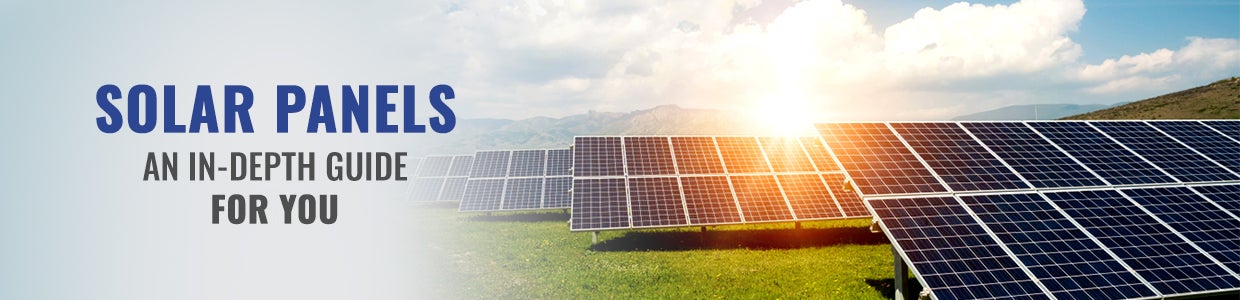
Solar Panels: An In-Depth Guide for You
Solar panels have become quite popular in India in recent years as a means to reduce electricity bills and increase sustainability. As you look to install solar panels on your home, you should know some key things.
In this comprehensive guide, we will walk you through everything you need to know about solar panels - how they work, types of solar panels, costs, subsidies, installation process, maintenance, and frequently asked questions.
What Are Solar Panels?
Solar panels, also known as photovoltaic (PV) panels, are devices that convert sunlight into electricity. They are made up of solar cells, which are specially fabricated to convert solar radiation into direct current electricity. This electricity can then be used to power electrical devices or fed into the electricity grid.
Solar panels offer a clean, renewable way to generate electricity without creating any air or noise pollution. As sunlight is free and abundant (especially in tropical countries like India), solar panels can drastically reduce your electricity bills once installed.
Also - Know All About Solar Panels before Buying Yours!
How Do Solar Panels Work?
Solar panels work through the photovoltaic effect ? where sunlight is directly converted into electricity. Here are the step-by-step workings:
Sunlight hits the solar panels during daylight hours
The solar cells within the panel absorb the sunlight
The absorbed sunlight knocks electrons loose in the silicon atoms of the cells
The flow of these electrons generates an electric current
Metal conductors then draw away this electric current in the panel to be used as electricity
So, in simple terms, solar panels directly transform solar radiation from the sun into useful electricity for your home usage.
Types of Solar Panels
There are three main types of solar panels used in India:
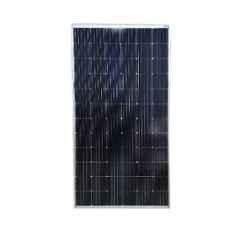
Monocrystalline Solar Panels: Made from a single block of silicon, these are the most efficient panels (with efficiency up to 20%). They have a distinctive all-black appearance.
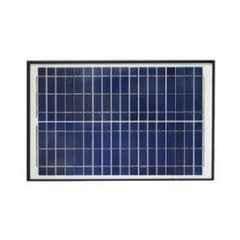
Polycrystalline Solar Panels: Made from fragments of silicon blocks, less efficient than monocrystalline. They have a speckled blue color and rectangular cells.
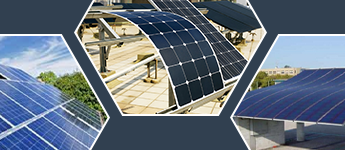
Thin-Film Solar Panels: Made by depositing silicon layers on glass or stainless steel. Lower efficiency but lower price. They have a flexible structure.
Of these, monocrystalline and polycrystalline silicon panels are most common in homes. Thin-film panels are less durable for rooftop installation.
Also Read - Types of Solar Panels and their Features
Solar Panel Prices in India
Here is an indicator of latest solar panel price per watt in India:
Monocrystalline Solar Panels: Rs. 35 to Rs. 45 per watt
Polycrystalline Solar Panels: Rs. 25 to Rs. 35 per watt
So, if you are installing a typical 1 kW (1000 Watt) solar panel system, it may cost you:
Monocrystalline: 1000 x Rs. 40 = Rs. 40,000
Polycrystalline: 1000 x Rs. 30 = Rs. 30,000
Prices depend on the brand, model, certifications, testing standards, and seller location. Reputed tier 1 solar module brands like Loom Solar, Tata Power Solar, and Adani will be slightly pricier but offer better product warranties.
Also Read- Supreme Brands of Solar Panels And Their Unique Features
Subsidy on Solar Panels
The Indian government offers various incentives on rooftop solar installations to drive adoption. These solar subsidies differ across states, but here are some top schemes:
Central Financial Assistance of 30% on benchmark costs
Some states like Delhi, UP, and Gujarat also offer additional subsidies
Rural households can claim remote village electrification subsidies
Before you purchase solar panels, do check with your discom and state nodal agency about the eligibility of these solar subsidies. This will help reduce your overall system cost significantly.
Related Searches
How to Install Solar Panels ? A Step-By-Step Guide
Installing solar panels on your home is a technical process that is best left to qualified professionals. However, here is an overview of the installation procedure:
Step 1: Solar Site Assessment
Professional installers will first assess your site to identify the best places/roofs to mount the panels. They will evaluate rooftop size, shading elements, orientation, and obstacle-free areas.
Step 2: Structural Engineering Review
They examine the strength of your roof structure and its ability to handle the panel load. If needed, reinforcements may be provided to balance the panel brackets correctly.
Step 3: Mounting Structure Setup
Aluminum or galvanized iron mounting structures are mounted on the roof. These have grooves and slots to hold the solar panels in the correct orientation securely.
Step 4: Solar Panel Mounting & Wiring
Solar panels are now mounted on the structures and wired appropriately. Care is taken to not damage the roof surface by using smooth flashings. MC4 connectors join the panels.
Step 5: Metering and Grid-connection
A net meter is installed for on-grid systems to measure import/export units. Your system is then connected to the grid for syncing and supply. Safety checks are performed before solar power starts flowing!
The total installation time is typically 4-5 days with proper planning.
The lifespan of Solar Panels
You can expect solar PV panels to last 25-30 years with reasonable maintenance. Most Tier 1 panels today come with manufacturers' 25-year power output warranty. By the end of this duration, they may produce up to 80% of their rated original capacity.
Solar cells can function well beyond 25 years, too. However output has declined over decades due to cracks, corrosion, moisture ingress, and thermal fluctuations. Plan to replace very old panels for optimal performance.
Cleaning and Maintaining Solar Panels
As solar panels are mounted externally, dust and debris build-up is common over time. Here?s a simple maintenance guide to follow:
Visual Inspection: Periodically check panels for damage, cracks, bird droppings, etc.
Dry Cleaning: Wipe the surface gently with a microfiber cloth to remove settled dust.
Wet Cleaning: Use a soft cloth/large brush with water and mild detergent for tougher stains. Avoid harsh chemicals.
Timing: Early morning cleaning is best before solar radiation heats up panels.
Frequency: Clean panels every 2-3 months if visibly dirty. Get professional service annually.
Take safety precautions yourself before climbing up to roof panels during cleaning. Avoid putting pressure on panel surfaces and ports. This will keep your solar system performing like new for years!
Frequently Asked Questions (FAQs)
Q- How much roof space do 1kW solar panels occupy?
Ans- About 10 sq.m of shadow-free area is needed for a typical 1kW solar panel installation. Panels are usually spread across the roof to minimize shading losses.
Q- Can solar panels withstand harsh weather for years?
Ans- Yes, premium panels for home use are tested to withstand high winds (up to 240 km/hr), major physical impact, snow loads, and heavy rainfall. They can work smoothly for over two decades.
Q- What components make up a solar rooftop system?
Ans- It comprises solar PV panels (to convert sunlight), an inverter system (to convert DC to AC), racking and mounting structures, electrical wires, and a two-way electricity meter.
Q- How much electricity can 1 kW solar panels generate daily?
Ans- You can expect 4 to 5 kWh units per day from a 1 kW solar panel system. This leads to 1200 to 1800 units monthly for grid-connected systems.
Q- What is the cost of solar panels for a home?
Ans- The cost of solar panels for a home in India varies depending on factors like system size, quality of components, and installation requirements. On average, for a standard residential system capable of meeting typical household electricity needs, prices range from INR 40,000 to INR 70,000 per kilowatt-hour (kWh) of installed capacity. Government subsidies and incentives may further offset costs, making solar power increasingly affordable and economically viable for homeowners across India.Top Sellers


 +91 9999049135

