

Translate:

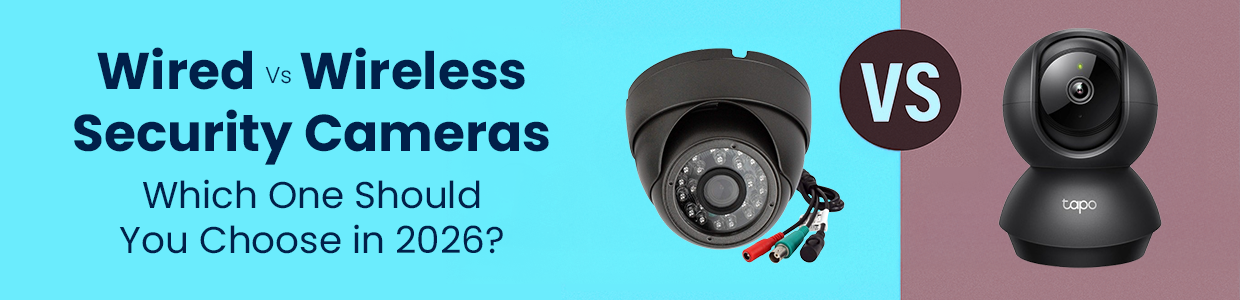
Wired vs Wireless Security Cameras: A Complete Technical Breakdown for Smarter CCTV in 2026
Security cameras have become the backbone of modern surveillance, helping homes and businesses stay protected through real-time monitoring, AI-enabled alerts, and high-quality video analytics. But before installing a new system, the biggest confusion users face is whether to choose wired or wireless security cameras. Both look similar on the outside, but the way they function, connect, and store data is entirely different. This guide on wired vs wireless security and CCTV cameras describes technical details in a clear, digestible way so you can make the right choice.
What Are Wired Security CCTV Cameras?
Wired security cameras depend on physical cables not only to transmit video data but also to supply power. These systems usually work with either coaxial cables for traditional DVR setups or Ethernet cables for IP cameras that connect to an NVR. Most modern wired IP cameras use PoE (Power over Ethernet), which means one cable is enough to manage both power and digital signals.
What Are Wireless Security CCTV Cameras?
Wireless cameras transmit their footage through Wi-Fi or sometimes over 4G/5G networks when used in remote locations. These cameras are either powered by rechargeable batteries or through a simple wall adapter, making installation quick and convenient. Since there are no data cables involved, the only thing needed is a strong Wi-Fi signal and a nearby power source.
Wired vs Wireless Security Cameras: In-Depth Technical Comparison
1. Installation Architecture
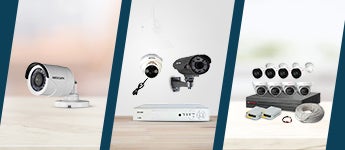
Wired cameras require structured cabling throughout the property, which typically involves drilling, conduit setup, and proper cable routing. They connect directly to an NVR or DVR through Ethernet or coaxial cables, making installation more labor-intensive and often requiring a technician.
Wireless cameras, on the other hand, are far simpler. Their installation generally involves mounting the unit and pairing it with the Wi-Fi network. This makes wireless cameras ideal for users who want a quick, DIY-friendly setup without handling long cables or complex configurations.
2. Connectivity & Network Performance
In a wired system, video signals travel through a dedicated cable network, usually via LAN, ensuring stable data transmission without interruptions. Each camera can consistently transfer high-quality footage because it doesn't rely on wireless frequencies that may get congested or disrupted.
Wireless cameras, however, depend entirely on the strength and range of the Wi-Fi network. Thick walls, distance, and interference from nearby devices can affect performance. While Wi-Fi 6 and dual-band support have improved speeds, wireless cameras still cannot match the consistency of wired connections for continuous surveillance.
3. Video Quality & Compression Handling
Wired cameras can deliver high-bitrate, high-resolution video because they have a strong physical data link that supports larger bandwidth. This translates to sharper details, better night vision clarity, and smoother frame rates.
Wireless cameras compress video more aggressively to transmit it over Wi-Fi, which may result in reduced clarity during peak usage or poor network conditions. While many wireless cameras now support 2K and even 4K resolution, maintaining this quality depends heavily on available Wi-Fi bandwidth.
4. Power Options & Battery Life
Wired cameras are powered through PoE or separate adapters, which means they never run out of energy and can operate continuously without user intervention. This makes them a stable choice for environments where surveillance must run 24x7.
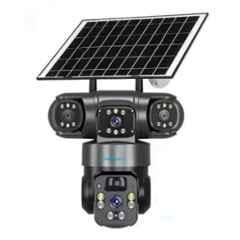
Wireless cameras, particularly battery-powered models, offer greater flexibility but require regular recharging. Depending on usage, brightness settings, and motion detection frequency, battery life can vary from a few days to several months. Solar-powered variants help reduce charging needs but still depend on weather and sunlight availability.
5. Storage & Recording Methods
Wired camera systems store footage on DVRs or NVRs equipped with large hard drives, often ranging from 1 TB to 10 TB or more. This allows continuous recording for weeks without overwriting important footage. Advanced systems may even include RAID storage for data protection.
Wireless cameras usually rely on cloud storage or SD cards. While cloud storage enables remote access and smart AI filtering, it often comes with subscription fees. Storing on SD cards is convenient but limited in capacity and ideal mostly for motion-triggered clips rather than constant recording.
6. Security, Encryption & Privacy
Wired systems tend to be more secure by design since the video signals travel exclusively through physical cables, reducing exposure to hacking attempts.
Wireless cameras rely on network encryption, such as WPA2 or WPA3, to secure connections. Although they generally use additional layers like SSL/TLS protocols for cloud communication, their dependence on Wi-Fi introduces more potential vulnerabilities.
7. Long-Term Reliability & Maintenance
Wired cameras offer excellent long-term performance because once installed, they require minimal upkeep. They don't suffer from Wi-Fi fluctuations or battery degradation and can reliably function for many years with basic cleaning and occasional hardware checks.
Wireless cameras, however, require more ongoing attention. Batteries degrade, firmware updates are needed more frequently, and connection issues may arise when the home network changes. Although advancing technology continues to improve reliability, wireless cameras still need more maintenance compared to wired systems.
Comprehensive Comparison Table: Wired CCTV vs Wireless CCTV camera
Features | Wired Security CCTV camera | Wireless CCTV Security camera |
Installation | Requires structured cabling, PoE switches, drilling, and professional setup | Easy DIY setup with simple mounting and Wi-Fi pairing |
Power Source | PoE or a dedicated adapter ensures continuous power | Battery-powered or plug-in; batteries need periodic charging |
Connectivity | Stable, interference-free LAN connection | Depends on Wi-Fi strength, prone to network congestion |
Video Quality | High bitrate, stable 1080p - 4K+ output | Compressed 1080p - 4K, quality varies with bandwidth |
Latency | Very low (1 - 2 ms) | Higher (100 - 250 ms, depending on Wi-Fi) |
Storage | Local NVR/DVR with large HDD storage | Cloud storage or SD card (limited capacity) |
Security | Physically secure, minimal hacking risk | Requires strong Wi-Fi encryption and updates |
Maintenance | Low; no batteries or network issues | Medium to high; needs charging and Wi-Fi checks |
Ideal Use | Large properties, offices, and warehouses | Homes, rental spaces, small businesses |
Cost | Higher installation cost, but long-term stable | Lower entry cost; cloud subscription may add recurring fees |
Conclusion: Which One Should You Choose?
The choice between wired and wireless security cameras ultimately depends on your property type, network infrastructure, and long-term expectations. If you want unmatched reliability, high-resolution clarity, and stable 24x7 recording, wired cameras are the clear winner. They are ideal for large spaces, commercial buildings, warehouses, and users who want a permanent setup that requires minimal maintenance.
Wireless cameras shine in flexibility and convenience. Their easy installation, portability, and smart-home compatibility make them perfect for homeowners, renters, and users who prefer modern cloud-based monitoring. While they may not match wired systems in raw stability, advances in Wi-Fi 6, smart battery management, and AI analytics have made them incredibly capable for everyday use.
Frequently Asked Questions
1. Which is better, wired or wireless security cameras?
Wired cameras offer more stability and consistent quality, making them ideal for long-term setups.
Wireless cameras are easier to install and flexible but may face connectivity and interference issues.
2. What are two disadvantages of using wireless cameras?
They depend heavily on Wi-Fi strength, which can cause lag or dropped footage.
Battery-operated models need frequent charging, and signals can be easily interfered with.
3. Does wired or wireless have better security?
Wired systems are generally more secure because they cannot be hacked over Wi-Fi.
They also offer tamper-resistant connections that are harder to disrupt.
4. What type of CCTV system is best for a home?
A hybrid or IP-based system with Wi-Fi cameras for indoors and wired units outdoors works best.
It gives a mix of flexibility, high resolution, and stable performance.
5. Which CCTV camera is better, Wi-Fi or wired?
Wired cameras provide stronger reliability and uninterrupted recording.
Wi-Fi cameras are convenient but depend on strong network connectivity.
6. Which is better, a 2K or 4K security camera?
4K cameras deliver sharper, more detailed footage ideal for facial and license plate identification.
2K is decent for general monitoring but lacks the clarity of 4K.
7. Which CCTV brand is most reliable?
Brands like Hikvision, CP Plus, and Dahua are widely trusted for durability and performance.
They offer strong after-sales support and high-quality hardware across budgets.

Top Sellers






 +91 9999049135

