
Translate:


BLDC Ceiling Fans vs Traditional Fans: Which One Should You Choose?
Ceiling fans are a necessity in most homes, especially in regions where they run for long hours daily. With newer technology entering the market, many people are now confused between BLDC ceiling fans and traditional fans. While both serve the same purpose, the difference in technology significantly impacts performance, efficiency, and overall cost.
This article will help you clearly understand the differences so you can make an informed decision.
What is the Difference?
BLDC Ceiling Fans
BLDC stands for Brushless Direct Current. These fans use advanced motor technology that eliminates the need for brushes and relies on an electronic controller. This reduces energy loss and improves overall efficiency.
Traditional Ceiling Fans
Traditional fans use AC motors with brushes and mechanical regulators. This older system leads to higher power consumption and more friction within the motor.
Power Consumption
Power usage is one of the most important factors when choosing a fan.
BLDC fans typically consume between 25 to 35 watts, whereas traditional fans consume around 70 to 80 watts. This means BLDC fans can save up to 60 to 65 percent electricity.
For households where fans run for extended hours, this difference can significantly reduce electricity bills over time.
Noise and Comfort
BLDC fans operate with minimal noise due to the absence of brushes and reduced friction. This makes them suitable for bedrooms, study rooms, and offices where quiet operation is important.
Traditional fans tend to produce a humming sound, which may become noticeable, especially at night.
Performance on Inverter
In areas with frequent power cuts, inverter compatibility becomes important.
BLDC fans consume less power and therefore run longer on inverter backup. Traditional fans, on the other hand, drain the battery faster due to higher energy consumption.
Features and Convenience
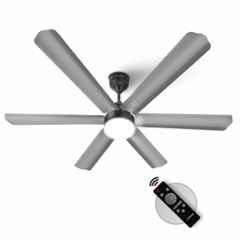
BLDC fans come with modern features that improve user convenience, such as remote control, timer settings, and consistent speed without requiring a regulator.
Traditional fans usually offer only basic speed control through a wall-mounted regulator.
Maintenance and Lifespan
BLDC fans have fewer moving parts and experience less wear and tear, which results in a longer lifespan and lower maintenance needs.
Traditional fans, due to higher friction and mechanical components, may require more frequent maintenance over time.
Cost Comparison
BLDC ceiling fans generally have a higher initial price compared to traditional fans. However, their lower running cost and longer durability make them more economical in the long term.
Traditional fans are cheaper upfront but can lead to higher electricity expenses over time.
Which One Should You Choose?
BLDC fans are a better choice if you are looking for long-term savings, energy efficiency, quieter operation, and modern features.
Traditional fans may be suitable if you have a limited budget or need a simple and immediate solution. You can find both types of ceiling fans available at Moglix at really reasonable prices.
Final Thoughts
BLDC ceiling fans clearly offer better efficiency, performance, and long-term value compared to traditional fans. Although the upfront cost is higher, the savings on electricity and reduced maintenance make them a smart investment.
If you are planning to upgrade your home appliances, switching to a BLDC fan is a practical and future-ready decision.
Looking for the top-rated Ceiling Fans?
Browse our complete collection and find the best product today.



Top Sellers
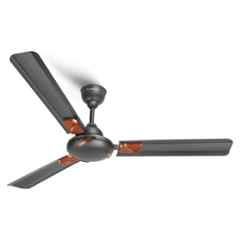
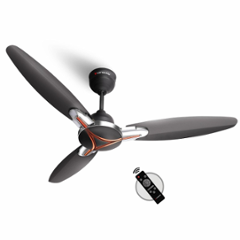
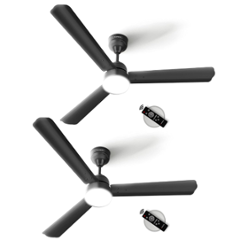
New Arrivals

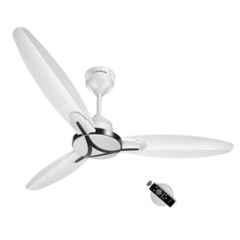
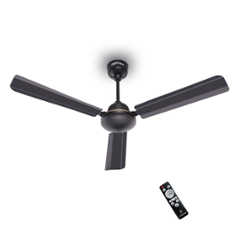
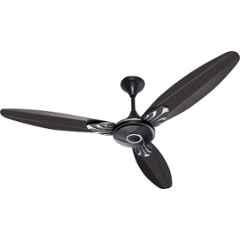
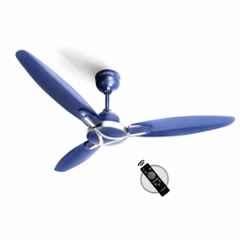
Crompton Hyperjet Smart 35W 350rpm Ivory 5 Star BLDC Ceiling Fan, Sweep: 1200 mm
Havells Epic Signia 30W 350rpm Elegant White 5 Star BLDC Ceiling Fan, Sweep: 1200 mm
Havells Crista 40W 300rpm Champagne Cola 5 Star BLDC Ceiling Fan, Sweep: 1200 mm
Havells Inox 38W 280rpm Gold Mist Cola 5 Star BLDC Ceiling Fan, Sweep: 1200 mm
Havells Crista 40W 300rpm Pearl White LT Copper 5 Star BLDC Ceiling Fan, Sweep: 1200 mm
Havells Ambrose DX 38W 380rpm Cocoa Brown 4 Star BLDC Ceiling Fan, Sweep: 1200 mm
Havells Amaya 40W 270rpm Satin White 5 Star BLDC Ceiling Fan, Sweep: 1400 mm