
Translate:

Power Beneath the Surface - The Ultimate Submersible Pump Buying Guide
Submersible pumps are the unsung heroes in the backdrop of homes, homesteads, and industries in a world where water is both a blessing and a curse. From clearing out floodwater to pumping out groundwater to irrigate the fields, these small but mighty machines play a crucial role in our daily life.
"When the solution lies deep, power must go deeper." - Anonymous Engineer
A Glimpse of History
The submersible pump emerged in the early 20th century and transformed fluid transfer. Primordial as they were, their effect was phenomenal. With the advent of electric motors and corrosion-proof materials later on, the pumps have now become heavy-duty, long-lasting, and efficient machines installed in every nook and corner of the world from housing colonies to heavy-duty oil rigs.
What is a Submersible Pump?
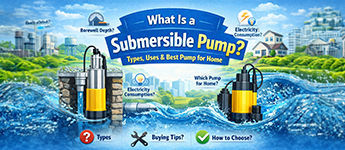
Submersible pump is an electric pump that can be utilized when fully immersed in water. Submersible pumps force water, unlike conventional pumps, which suck water up to the surface. They are utilized ideally in deep water.
They are sealed hermetically with the motor close-coupled to the pump body, with more efficiency, reduced noise, and improved protection from overheating.
Types of Submersible Pumps
Submersible pumps are used in many places - from homes to farms to factories - to move water and other liquids. They run under water, and they take many different forms depending upon where and in what manner they are used.
Following is an easy-to-understand description of the major types of submersible pumps:
1. Borewell Submersible Pumps
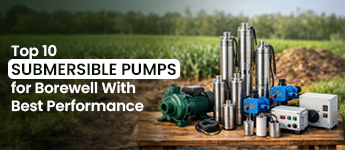
These pumps find their application for working deep in tube wells or borewells. They are utilized most in houses, farms, and industries where water has to be brought up from deep within the ground.
Where applied: In deep wells and subterranean water resources
Types found:
Single-phase pumps -utilized in urban areas with routine power supply
Three-phase pumps -utilized in farms and factories where heavy power is required
Depth: Can lift water from 25 to 300 meters depth
2. Openwell Submersible Pumps
These pumps are placed within open wells or water storage tanks. They don't go deep compared to borewell pumps but are perfect for places where water is a few feet below the ground level.
Where used: In water storage tanks, sumps, and wells
Best for: Low to moderate water level locations
Advantages: Simple to install and use, and generally cheaper
3. Sewage Submersible Pumps
Tough and durable pumps that operate on dirty water, particularly dirty water containing solid waste.
Where used: Sewage plants, toilets with septic tanks, and manufacturing facilities
Designed use:Utilized in pumping out wastewater, e.g., thick and containing solids
Characteristic: Can manage dirty, thick, and stinky liquids without clogging
4. Utility Pumps / Dewatering Pumps
These are portable, light-weight, and everyday pumps such as draining water from a specific place.
Where used: Homes, basements, water tanks, or building digs
Common use: To drain flood water, drain a water tank, or drain water from a low-level
Feature: It can be easily carried and used whenever needed
5. Slurry Submersible Pumps
These are tough pumps that work with thick, sandy, or muddy fluids under harsh conditions.
Where used: Mine, cement factory, and building
Purpose: To pump mud, slurry, and sand- or gravel-contaminated liquids
Feature: Constructed of heavy-duty materials in order to survive wear and tear
Also read - Top 10 Reliable Submersible Pumps List for Various Applications
Key Features to Look for Before Buying
When selecting the best pump for you, these features can either make or break your experience:
Motor Power & Efficiency
>> Quantified in HP (horsepower)
>> HP increases ensure improved rates of flow and lifting capacity
Discharge Capacity (LPM/GPH)
>> Measures the volume of water the pump can handle per minute/hour
Head Range
>> The height to which the pump can lift water
>> Critical in determining the selection of borewell and openwell pumps
Material & Build Quality
>> Use stainless steel, thermoplastic, or cast iron for durability
Thermal Overload Protection
>> Protects motor burnout from overheating
Corrosion & Rust Resistance
>> Especially best for application in hard water or saltwater
Energy Efficiency Ratings
>> Select models with stars or BEE rating to save on your electricity bills
Applications of Submersible Pumps
From households to heavy industry, these are where submersible pumps lift the burden:
Domestic Application
>> Pumping water from borewells
>> Filling tanks or overhead tanks
>> Garden irrigation and rainwater collection
Agricultural Application
>> Pumping groundwater for irrigation of crops
>> Powering drip and sprinkler systems
>> Draining water-logged fields
Industrial & Commercial Use
>> Slurry management in construction sites
>> Factory wastewater disposal
>> Recirculation of cooling towers
Emergency Services
>> Removal of floodwater
>> Disaster relief activities
>> Firefighting water supply
Quick Facts You Should Know
>> India is a large market for submersible pumps, particularly in agriculture.
>> Pumps with VFD (Variable Frequency Drives) are the latest for energy conservation.
>> Smart sensors that detect dry run and overload are a feature in new designs.
Pro Tips from Experts
"Always match the pump with the right head range and discharge needs. A mismatch can burn the motor or result in."
- Ankit Sharma, Water Systems Engineer
>> Check water table levels prior to selecting a borewell pump.
>>Select copper-wound motors instead of aluminum for increased efficiency and lifespan.
Last Words: The correct Power is in Your Hands (or underground!)
Selecting the right submersible pump isn't all about water, it's about efficiency, peace of mind, and going green. As a homeowner no longer refills for the tank or as an agrarian continuous irrigation, the investment in the right pump is the smart choice in 2025.
"Don't wait for water to rise - rise above the problem with the right submersible solution."
Looking for the top-rated Submersible Pumps?
Browse our complete collection and find the best product today.


Top Sellers
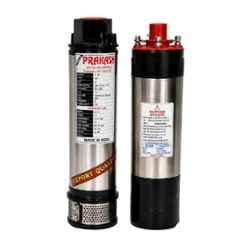
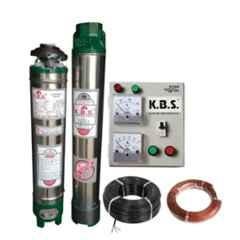
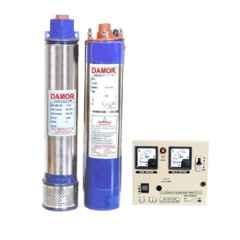
New Arrivals

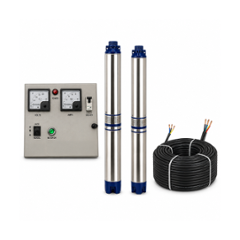
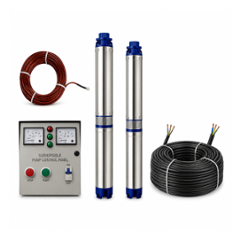
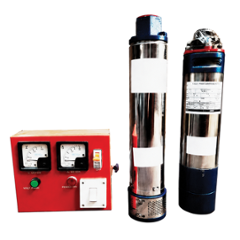
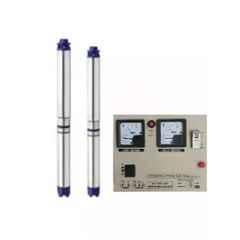
Kisan V4 3HP 15 Stage Single Phase Water Filled Submersible Pump with 300ft Head Range
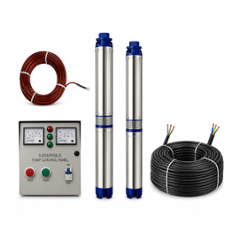
Kisan V3 1.5HP 16 Stage Single Phase Water Filled Submersible Pump with 160ft Head Range
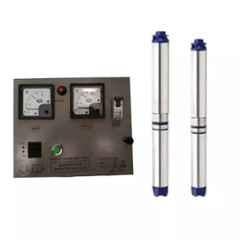
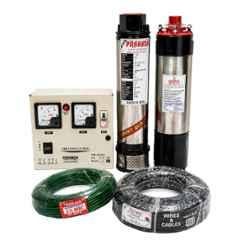
Kisan V4 0.5HP 10 Stages 140ft Head Borewell Water Submersible Pump without Panel
Kisan V4 1.5HP 20 Stages 400 ft Head Borewell Water Submersible Pump with Panel
Kisan V4 3HP 30 Stage Single Phase Water Filled Submersible Pump with 600ft Head Range