
Translate:

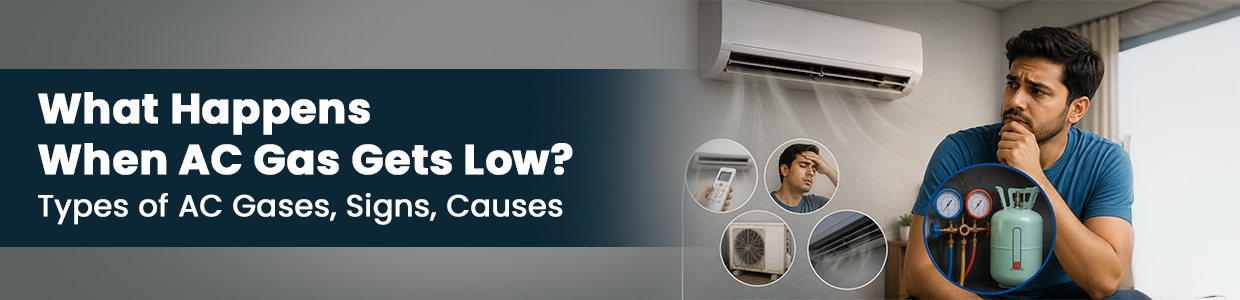
What Happens When AC Gas Gets Low? - Types of AC Gases, Signs, Causes
Air conditioners have become an important part of every home, office, shop, and commercial space. AC cooling highly relies on one essential component, that is AC Gas. Whether you use a split AC, a window AC, or a Tower AC, the refrigerant gas plays an important role in maintaining efficient cooling. That is the reason many users face sudden signs in AC, where it stops cooling properly. In this situation, people assume that the AC needs service or replacement. But in reality, AC Gas might be the biggest reason!
So, lets understand when gas gets low, and its type, signs and causes through this guide.
What is AC Gas?
Air conditioner gas or AC, is widely known as Refrigerant, which is a special chemical compound. It works inside an AC for heat transfer and cooling. AC gas circulates through the compressor, condenser, evaporator, coil, and expansion valve to absorb heat from indoor air and release it outside.
Why is AC Gas Important?
AC gas is an essential part of every air conditioner of all types.
AC will not be able to produce cool air without refrigerant gas.
The cooling cycle of an air conditioner properly depends on the correct refrigerant pressure and circulation.
Modern air conditioners use environmentally friendly refrigerants that offer better cooling efficiency and lower environmental impact.
The gas that is used in AC for cooling can change from one system to another based on the AC model, technology and environmental regulations.
Which Gas is Used in AC?
Based on the air conditioner type and age, AC gas is used. Older AC units commonly used R22 refrigerant, while newer units use advanced refrigerants like R32 and R410A.
Common Types of AC Gases
The following are the different types of air conditioner gases-
R22 Gas
This is the most commonly used air conditioner gas that is common in older ACs. It offers good cooling performance but was later found harmful to the ozone layer. That is the reason its usage has been reduced globally.
R410A Gas
It is popular replacement for R22 as it offers better efficiency cooling and improved energy performance. So many modern split AC systems use R410 gas.
R32 Gas
This is the latest and most environmentally friendly solution based on refrigerants. R32 gas has a lower environmental impact and offer higher cooling efficiency compared to older gases.
R290 Gas
This is also known as propane refrigerant, which is generally used in some energy efficient and environmentally friendly AC systems.
What Happens When AC Gas Gets Low?
Here are the causes and effects that can happen due to the low AC gas-
Reduced Cooling Performance
The most common reason could be weak or low cooling. You air conditioner may run frequently but the room does not even become cool enough like it used to be.
Longer Cooling Time
Low refrigerant level can cause longer cooling time which means your AC struggles to remove heat effectively. As a result, it takes much longer to cool the room.
Increased Electricity Consumption
Next, low gas levels force the compressor to work harder, which directly increases energy consumption and electricity bills.
Ice Formation on AC Pipes
Another reason could be insufficient refrigerant, which can reduce pressure inside the evaporator coil which cause ice buildup on the indoor unit pipes or coils.
Compressor Overheating
Low air conditioner gas can cause compressor overheating and damage. Because the compressor depends on proper refrigerant circulation for cooling and lubrication.
Warm Air from Indoor Unit
Another cause is that your AC may start blowing slightly warm or normal air at low temperature settings instead of cool air.
Strange Noises from AC
Sometimes, even air conditioners start creating bubbling or hissing sounds because of gas leakage that can happen due to low refrigerant pressure.
What are the Common Signs That Your AC Gas is Low?
So many times it is difficult for users to recognize that the refrigerant issues are low. Understanding the warning signs will help prevent serious AC damage-
Common Symptoms Include-
AC not cooling properly
Indoor unit blowing warm air
Ice buildup on copper pipes
Higher electricity bills
Compressor running continuously
Water leakage from the indoor unit
The AC is taking too much time to cool the room
Hissing or bubbling noise near the AC unit
NOTE: If you notice multiple symptoms together, it is recommended to contact a professional AC technician for inspection.
What Causes of Low AC Gas?
There are several reasons that cause low air conditioner gas-
Refrigerant Leakage
The most common reason for low gases in an air conditioner could be small leaks in copper pipes, joints, coils, or valves.
Poor Installation
Next, if the AC is installed improperly so there is a higher chance that it could lead to loose connections and gradual refrigerant leakage.
Corrosion in Coils
By the time, moisture and dirt can cause corrosion in the evaporator or condenser coils. This particularly leads to tiny holes and gas leakage.
Physical Damage
Next, any kind of accidental damage to the AC pipe during the servicing or renovation work can cause refrigerant leakage.
Lack of Maintenance
Sometimes, due to the low maintenance like dirty filters, clogged coils, and neglected servicing, it may indirectly affect refrigerant pressure and system performance.
How to Fix Low AC Gas Problems?
If your AC gas is low, you can opt for the correct solution. As many people start refilling the gas but that is not the right solution. Here is what you need to do-
Usually, the Repair Process Includes:
Checking refrigerant pressure
Detecting leakage points
Repairing damaged pipes or joints
Vacuuming the system
Refilling refrigerant gas
Testing cooling performance
IMPORTANT: Always call a professional technician for this process.
NOTE: Avoid repeated gas refilling without leak repair, as it only offers a temporary solution.
Simple Tips to Maintain Proper AC Cooling
Here are the basic tips that will help to maintain proper AC cooling-
Useful Maintenance Tips
Make sure to clean AC filters regularly
Schedule professional servicing every season
Check for unusual cooling issues
Avoid overloading the AC
Keep the outdoor unit clean and ventilated
Repair refrigerant leaks immediately
BONUS TIPS: Regular maintenance also improves energy efficiency and increases the lifespan of the AC.
Frequently Asked Question - FAQs
Q. Which Gas is Used in Split AC?
Ans. Most modern split air conditioners in India now use R32 or R410A refrigerants. These gases offer faster cooling, better energy efficiency, and lower electricity consumption.
Q. Which Gas is Used in an AC Compressor?
Ans. The compressor does not use a separate gas, the same refrigerant circulates throughout the AC system.
Q. Which Gas is Used in AC in India?
Ans. In India, air conditioners commonly use gases including R32, R410A, and R290. While older AC still use R22 gas.
Q. Can Low AC Gas Damage the Compressor?
Ans. Yes! Running an AC with low gas for a long time can damage the compressor. Since the compressor completely relies on refrigerant for cooling and lubrication.
Q. How Often Does AC Gas Need Refilling?
Ans. The gas refilling in the AC will completely depend on the AC conditions. Like for normal conditions, AC may not require regular refilling. If you can regularly refill the AC gas, it may indicate leakage or internal damage.
SUM UP
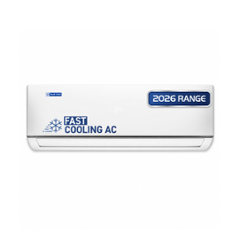
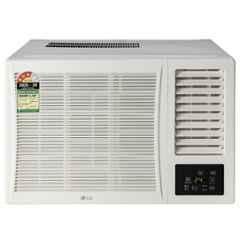
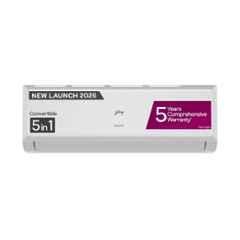
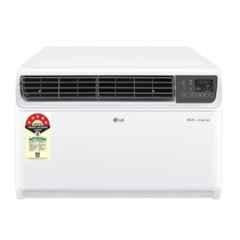
In conclusion, AC gas is one of the most important components and every user must know about this. Whether you want to know which gas is used in a split AC or a window AC, the compressor or anything else. We have covered everything in this blog. In case your air conditioner is already outdated and not working properly, so you should replace it with a newer version. You can explore your options online at Moglix from trusted brands like Godrej, LG, Voltas, and many more. However, make sure to provide the proper maintenance to ensure durability.
Looking for the top-rated Air Conditioners?
Browse our complete collection and find the best product today.



Top Sellers