

Translate:

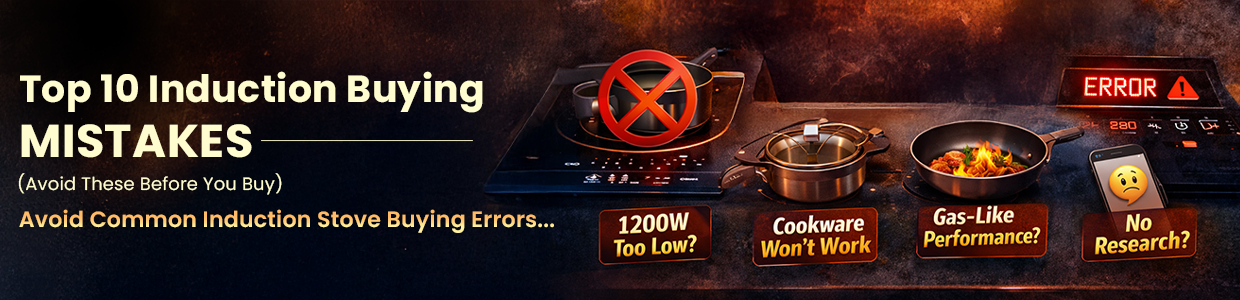
Top 10 Induction Buying Mistakes to Avoid
Buying an induction cooktop seems simple-pick a model, plug it in, and start cooking. But in reality, many people end up disappointed, not because induction is bad, but because of small mistakes made during purchase.
If you want a smooth cooking experience, it is important to understand what not to do. This guide connects the most common mistakes people make when buying an induction stove-and how you can avoid them.
1. Ignoring Wattage Requirements
One of the biggest mistakes is choosing the wrong wattage.
Low-wattage models (like 1200W) may seem affordable, but they cook slowly and struggle with heavy tasks. Many buyers regret not choosing higher power after daily use.
Always consider your cooking needs. For regular use, higher wattage provides better performance and saves time.
2. Not Checking Cookware Compatibility
Many buyers assume all utensils will work-but induction requires magnetic cookware.
If your existing utensils are aluminum or have uneven bases, they wont work at all. This leads to frustration right after purchase.
Always check if your cookware is induction-friendly before buying.
3. Expecting Gas Stove Performance
Induction cooking is different from gas. Expecting the same flame control and cooking style is a common mistake.
Certain foods like roti or deep frying may feel different initially. This is not a flaw-it is just a different cooking method.
Give yourself time to adjust to the new system.
4. Choosing the Cheapest Option
Price is important, but going for the cheapest model often leads to problems like:
Poor build quality
Touch panel issues
Short lifespan
A slightly higher investment can save you from frequent repairs.
5. Ignoring Safety Features
Some buyers overlook safety features like:
Auto shut-off
Overheat protection
Child lock
These features are essential, especially in homes with kids or elderly members.
Safety should never be compromised.
6. Not Considering Electricity Usage
Induction cooktops run on electricity, so usage patterns matter.
Many people are surprised when their electricity bill increases slightly. This happens when the stove is used frequently without understanding power consumption.
Efficient usage can help manage electricity costs.
7. Buying Without Checking Pan Size Compatibility
Induction cooktops work best with specific pan sizes. If the utensil is too small or too large, it may not heat properly.
This leads to uneven cooking or detection issues.
Always match cookware size with the cooktops heating zone.
8. Ignoring Ventilation Needs
Induction stoves have internal cooling systems. Blocking ventilation areas can cause overheating and automatic shutdown.
Many users mistake this as a technical fault.
Keep proper space around the cooktop for airflow.
9. Not Understanding Preset Functions
Modern induction cooktops come with preset modes like boiling, frying, or milk heating. Many users ignore these features and use manual settings incorrectly.
Learning these presets can make cooking faster and easier.
10. Skipping Brand Research and Reviews
Buying without checking reviews is a major mistake.
User feedback often reveals real problems like durability, service issues, or performance limitations.
Always check ratings, reviews, and after-sales support before buying.
Final Thoughts
Most induction problems are not caused by the device itself-but by wrong expectations and buying decisions.
When you choose the right wattage, compatible cookware, and a reliable model, induction cooking becomes efficient, safe, and convenient.
Avoid these common mistakes, and you will not only save money-but also enjoy a hassle-free cooking experience from day one.

Top Sellers
New Arrivals

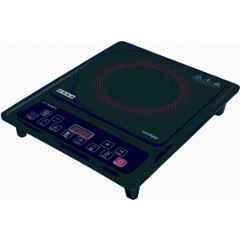
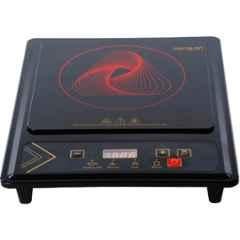
Usha Cookjoy 1360W Plastic Black Induction Cooktop, CJ1350WPC
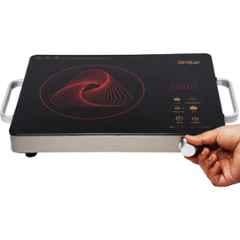
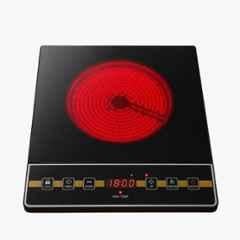
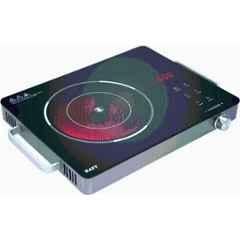
Kaff 2200W Stainless Steel Black Infrared Cooktop, TIR36
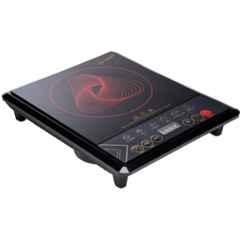
Altino Magex 2200W Black Touch Panel Infrared Cooktop



 +91 9999049135

