

Translate:


verters Ultimate Guide to Choosing the Right Inverter for 2BHK, 3BHK and 4BHK Homes in India (With Cost, Usage & Savings - 2026)
Power cuts still affect both metro cities and rural India, but the right inverter setup can give you reliable backup without increasing your electricity bill.
Whether you're working from home, managing daily household tasks, or simply looking for uninterrupted comfort, choosing the right inverter has become more important than ever. With rising electricity costs and increasing appliance usage, a poorly selected inverter can lead to higher bills, low backup time, and frequent system overloads.
The good news is that with proper planning, you can build a power backup system that is not only efficient but also cost-effective in the long run. From understanding your exact load requirements to selecting energy-efficient appliances and the right battery capacity, every decision directly impacts performance and long-term savings.
This is a complete, practical, research-based guide covering:
- Inverter selection by home size
- Appliance-wise sizing
- Daily electricity usage and cost
- Metro vs rural strategy
- Best appliances to reduce load
- Smart buying recommendations
1. How to Choose the Right Inverter (Basic Rule)
Never select an inverter based only on BHK size.
Correct method:
Inverter Size (VA) = Total Load (Watts) / 0.8
Add 20-25% extra capacity for safety and future use.
2. Appliance Power Consumption (India Average)
| Appliance | Power |
|---|---|
| Fan (normal) | 70-80W |
| BLDC Fan | 25-35W |
| LED Light | 9-12W |
| TV | 100-150W |
| Fridge | 150-300W |
| Laptop | 50-70W |
| 1.5 Ton AC | 1200-1800W |
3. Inverter Selection by Home Type
2BHK Homes
- Load: 500-1000W
- Inverter: 800VA - 1.5kVA
- Battery: 120Ah - 150Ah
3BHK Homes
- Load: 1500-3000W
- Inverter: 2kVA - 4kVA
- Battery: 2 batteries (150Ah each)
4BHK / Large Homes
- Load: 4000-10000W
- Inverter: 5kVA - 10kVA+
- Battery: Multiple batteries or lithium system
4. Appliance-Based Inverter Selection (Most Practical)
| Setup | Load | Inverter | Battery |
|---|---|---|---|
| 2 fans + 2 lights | 150W | 600-800VA | 100Ah |
| Essentials + TV | 400W | 1kVA | 150Ah |
| With fridge | 800W | 1.5-2kVA | 150-200Ah |
| With 1 AC | 2000W | 3-4kVA | 2 batteries |
| Full home backup | 5000W+ | 5-10kVA | Multiple |
5. Battery Size Calculation
Battery Ah = (Load � Backup hours) � 12
Example:
600W load for 4 hours -> Battery = 200Ah
6. How Much Electricity Does an Inverter Use Daily?
Electricity is used to recharge the battery.
Example:
- Load: 150W
- Usage: 8 hours
Consumption:
- 150 x 8 = 1.2 units
- With losses = 1.5 units/day
7. How Much Cost Is Added to Your Electricity Bill After Installing an Inverter?
Monthly usage:
- 1.5 x 30 = 45 units
Cost in India:
| Rate | Monthly Cost |
|---|---|
| 6/unit | 270 |
| 8/unit | 360 |
| 10/unit | 450 |
Final Answer:
Your bill increases by Rs. 250 to Rs. 450/month
8. Metro vs Rural Usage Difference
Metro Cities
- Short power cuts
- Higher electricity rates
Use:
- Smaller inverter
- Efficient appliances
Rural Areas
- Long power cuts
Use:
- Bigger battery
- Solar inverter
- Low-power appliances
9. How to Reduce Inverter Electricity Cost
Use BLDC Fans
Saves up to 60% electricity
- Atomberg
- Crompton
Use LED Lights
Saves up to 85%
Avoid Standby Power
Switch off unused devices
Choose Correct Inverter Size
Avoid oversizing
10. Cost Saving Comparison
| Setup | Load | Monthly Cost |
|---|---|---|
| Old setup | 150W | 350-450 |
| Efficient setup | 70W | 150-220 |
Savings: Rs.150-250/month
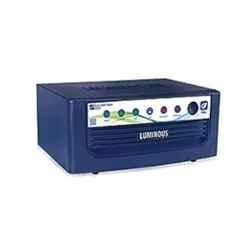
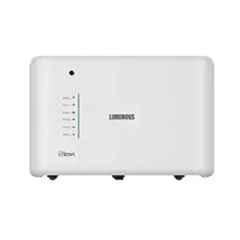
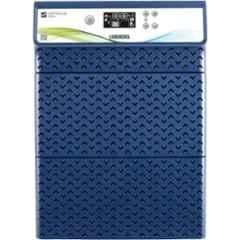
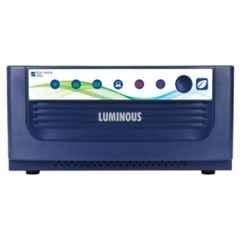
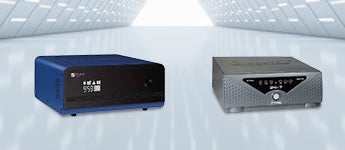
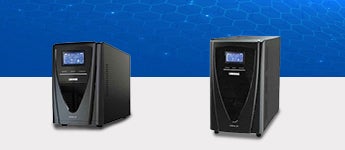
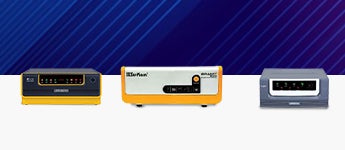
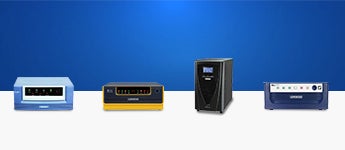
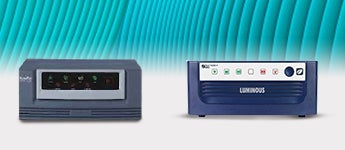
11. Best Inverter Brands in India
12. Types of Inverters
Pure Sine Wave
Recommended inverter for homes
Square Wave
Not recommended
13. Common Mistakes to Avoid
- Selecting inverter by BHK only
- Ignoring AC load
- Buying oversized inverter
- Not planning backup duration
14. Final Recommendations
2BHK:
1-1.5kVA inverter + 150Ah battery
3BHK:
2-4kVA inverter + 2 batteries
4BHK:
5-10kVA inverter system
15. Final Conclusion
Choosing the right inverter is about understanding your actual power needs, not just your home size. A properly selected inverter with the right battery ensures reliable backup, longer life, and controlled electricity costs.
While an inverter does add a small amount to your monthly bill, using energy-efficient appliances like BLDC fans and LED lights can keep this cost low. For heavy appliances like AC, a higher-capacity inverter is required, otherwise it?s better to stick to essential loads.
In the end, the best setup is one that balances the right inverter size, efficient appliances, and proper battery capacity?giving you maximum backup with minimum cost.
Top 12 Frequently Asked Questions (FAQs)
1. How much electricity does an inverter consume daily?
About 1 to 2 units depending on usage.
2. How much does an inverter increase the electricity bill?
Around Rs.250-450 per month.
3. Can I run a 1.5 ton AC on an inverter?
Yes, but only with a 3kVA to 5kVA inverter and multiple batteries. A normal small inverter cannot handle it.
4. Which inverter is best for running AC?
High-capacity pure sine wave or solar hybrid inverters from
Luminous,
Microtek,
V-Guard
5. How many batteries are required for AC backup?
At least 2-4 batteries (150Ah each) depending on usage time.
6. Can a 2BHK inverter run AC?
Only if you choose a 2kVA-3kVA inverter with proper battery setup.
7. Which battery is best for inverter?
Tubular battery is best for Indian conditions.
8. Is inverter better than UPS for home?
Yes, inverter is better for longer backup.
9. How long will a 150Ah battery last?
3-6 hours depending on load.
10. How can I reduce inverter electricity usage?
Use BLDC fans, LED lights, and avoid standby loads.
11. Should I buy a bigger inverter for future use?
Yes, but only 20-25% higher than your current load.
12. Is solar inverter better for rural areas?
Yes, it reduces electricity cost and provides longer backup.

Top Sellers




 +91 9999049135

